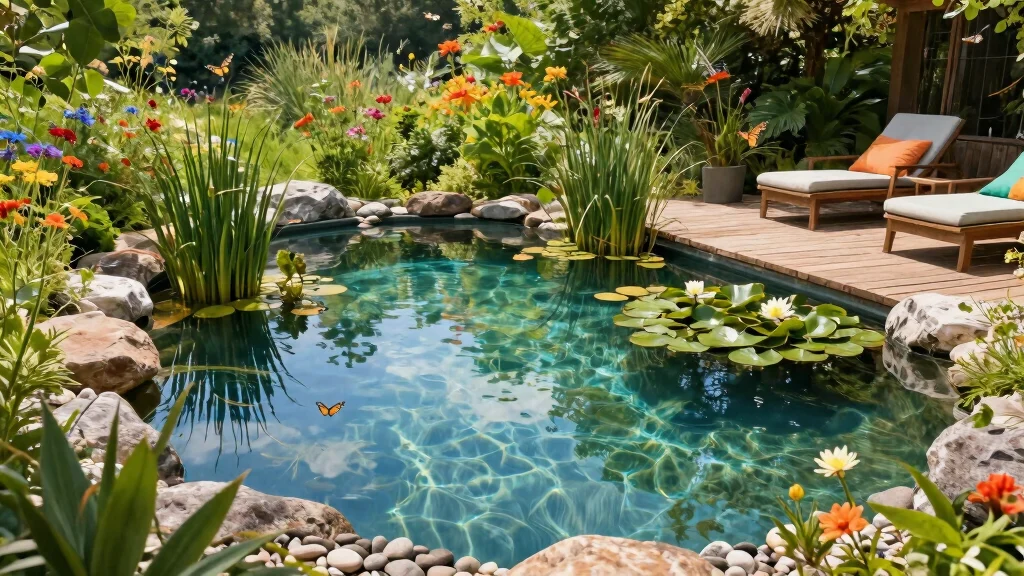
Creating a natural pool can transform your backyard into a serene oasis while promoting eco-friendly gardening practices. With an increasing desire for sustainable living, it’s no surprise that more people are searching for ways to incorporate nature into their homes. This post is dedicated to those who dream of a refreshing swim without the harsh chemicals of traditional pools. If you’re passionate about sustainable landscaping and want to create a backyard retreat that works in harmony with the environment, you’re in the right place.
In this post, you’ll discover 13 inspiring natural pool ideas that are both beautiful and eco-friendly. Whether you’re looking for a wildlife-friendly pool or an edible oasis, these concepts blend seamlessly into any garden. By reading on, you’ll gain practical tips and insights that will help you design your own natural swimming pool. Get ready to dive into creative solutions that not only benefit you but also support local wildlife and enhance your garden’s biodiversity.
Key Takeaways
– Sustainable Choices: Natural pools leverage aquatic plants and natural filtration systems, reducing the need for chemical treatments. This makes your pool safer for both you and the environment.
– Wildlife Friendly: Many natural pool designs, like the Wildlife-Friendly Pool, encourage local fauna, creating habitats that support biodiversity in your backyard.
– Edible Options: Incorporating edible plants, as seen in the Eco-Friendly Edible Pool, allows you to enjoy fresh produce while enjoying your swim.
– Design Variety: From minimalist approaches to larger complex designs, there are numerous styles of natural pools to choose from, including the Zen Garden Pool and the Bio-Pool.
– Community Engagement: Explore designs that can serve as community spaces, such as the Community Pool Garden, fostering a sense of connection and shared responsibility in sustainable gardening.
Recommended Products

High-Quality Filtration: 50 pounds of pre-washed, kiln-dried natural silica sand for pool filter captures dirt, leaves, hair, and debris without clogging or clumping


Naturally Helps Clear Cloudy Pool Water - AquaDoc Swimming Pool Clarifier uses a chitosan-based formula designed to help improve water clarity by gathering tiny suspended particles so your filter can remove them more effectively as part of routine pool maintenance.
1. The Regenerative Oasis
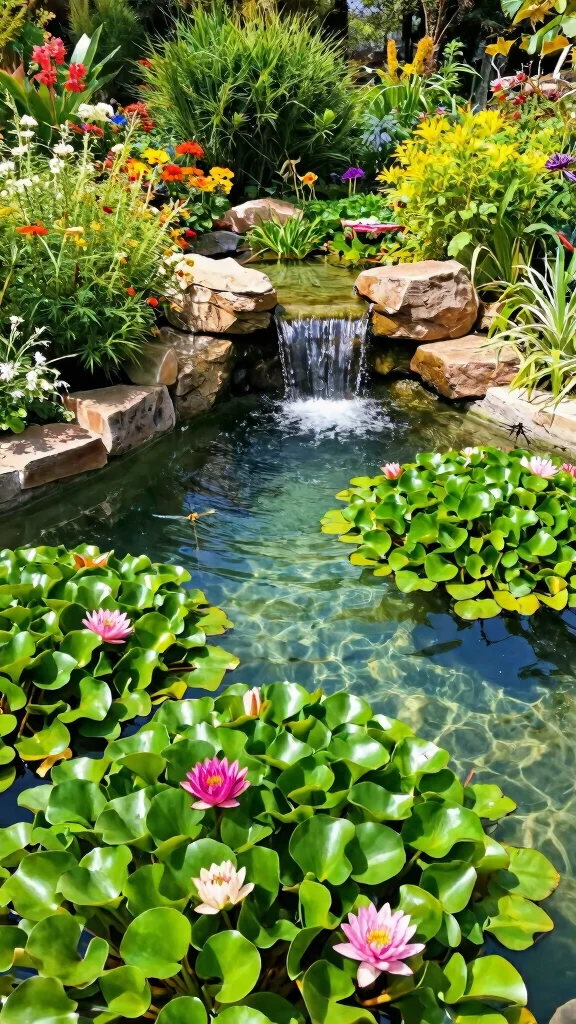
Imagine diving into a pool that doubles as a flourishing ecosystem. The Regenerative Oasis beautifully combines aquatic plants like water hyacinths and lotus to naturally cleanse and filter the water. This inviting design nurtures local wildlife, attracting frogs, dragonflies, and a variety of beneficial insects. By creating a harmonious balance between water and plant life, you’re not just enhancing your swimming experience; you’re also making a positive environmental impact.
Start by selecting native aquatic plants that thrive in your local climate to ensure low maintenance. Incorporate gravel beds that nurture beneficial bacteria, essential for natural filtration. Adding a small waterfall feature can help oxygenate the water and keep it circulating.
Key features to consider:
– Choose native plants that adapt easily to your environment.
– Include gravel beds for effective filtration and plant health.
– Add a small waterfall to enhance aesthetics and oxygen levels.
This stunning pool design not only serves as a beautiful retreat but also acts as a sanctuary for wildlife, showcasing your commitment to sustainable practices.
Recommended Products
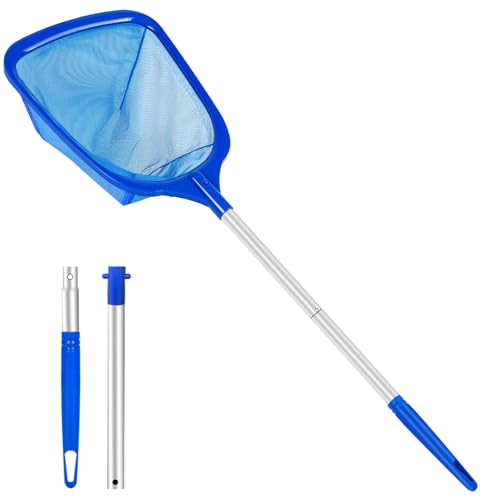
ULTRA FINE MESH FOR TINY DEBRIS — Designed to catch fine floating debris like hair, leaves and grass before they sink, helping keep your hot tub or spa water cleaner with quick daily maintenance.

Large-capacity and deep pool cleaning net: (17 x 16 x 17 inches) with a weighted tab at the bottom of the net to keep the net on the bottom when sweeping and makes easier to keep the leaves in the net. Emptying the leafs and debris from the net is made easier by holding the tab.Thickened aluminum bar frame can cope with a variety of pool cleaning scenarios and can be used for multiple seasons

Lightweight leaf skimmer pool net with 4 connecting pole sections and durable ultra-fine nylon mesh netting. Use it as a handheld net by using only one pole section or connect them all for a full 6 foot long net.
2. The Eco-Friendly Edible Pool
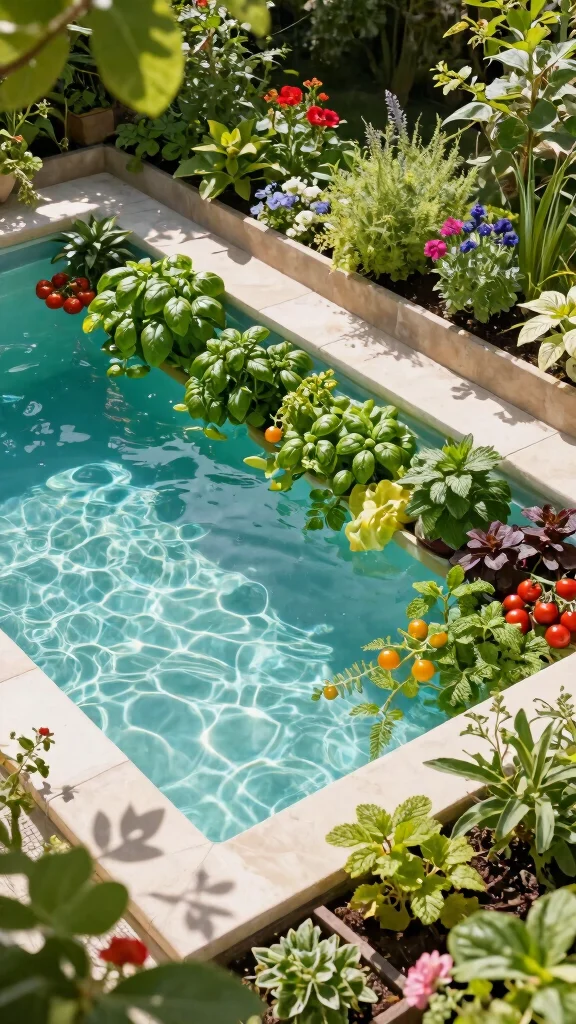
What if your pool could also provide fresh herbs and vegetables? The Eco-Friendly Edible Pool surrounds your swimming area with delightful plants like basil, mint, and cherry tomatoes, making your summer swims even more enjoyable. Imagine plucking fresh ingredients for your meals right after a refreshing dip! These plants not only filter the water but also infuse the space with incredible aromas and flavors.
To get started, set up raised beds around your pool for easy access to your edible plants. Use companion planting to naturally deter pests while enhancing growth. Incorporating aromatic herbs will create a fragrant atmosphere that elevates your outdoor experience.
Steps to consider:
– Create raised garden beds for easy herb access.
– Implement companion planting for better pest management.
– Include aromatic plants for a sensory boost.
This innovative design enhances both your garden’s beauty and your culinary adventures, making every swim a delicious experience.
Recommended Products

Maximum Blooms & Beauty -- Thrive contains nutrients to keep aquatic plants growing vigorous leaves and beautiful blooms. Water gardening just got easier with fertilizer tabs for container plants.

✅ FLOATING BEAUTY! Most popular floating pond plant; perfect for beginners! Glossy, succulent green leaves float beautifully on the water’s surface! Experience sporadic bursts of gorgeous lilac blooms!
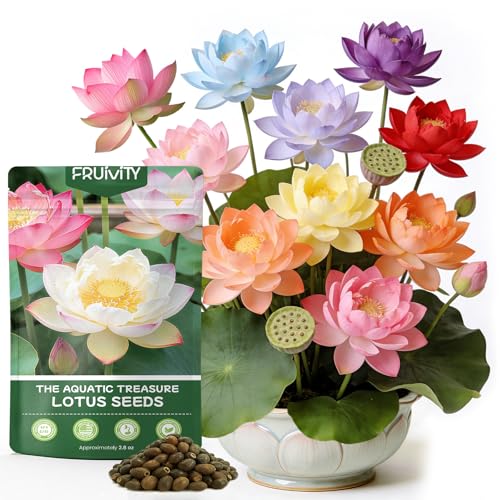
🌱 Untreated & High Germination - Our lotus seeds are not pre‑filed, which helps preserve their natural freshness and viability. Simply nick the hard outer shell with a file or sandpaper, soak in water, and you'll see sprouts within days. This simple process gives you full control over germination success.
3. The Natural Rock Pool
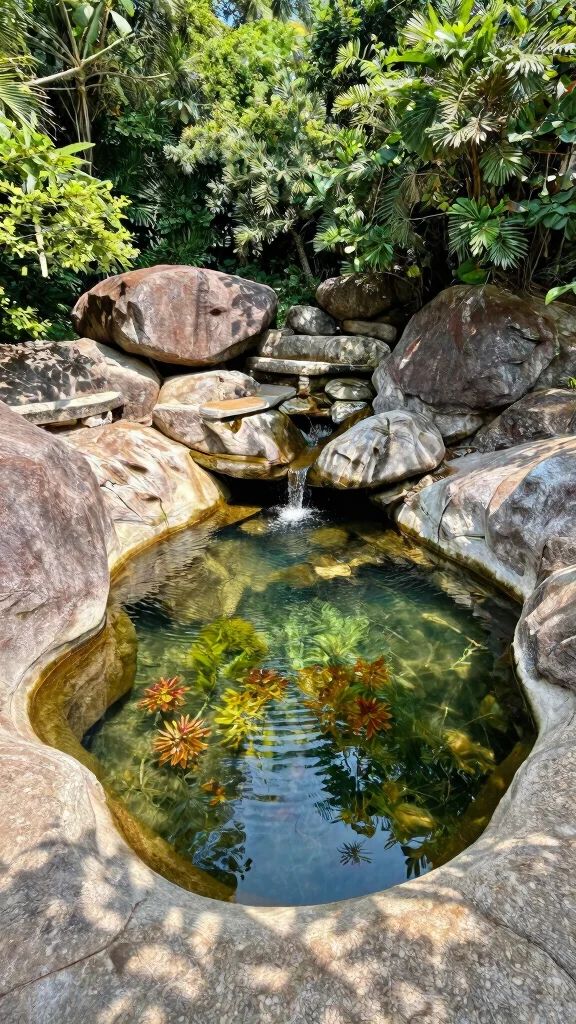
Celebrate the raw beauty of nature with a Natural Rock Pool that mimics the charm of natural water bodies. This design incorporates boulders and stones, creating an organic feel that blends seamlessly with the landscape. The rock formations can also serve as perfect planting spots for moisture-loving plants like ferns and water grasses, enriching the ecosystem.
When planning, use locally sourced stones to preserve sustainability and ensure your pool fits harmoniously into the environment. Designing varying depths will create diverse habitats that foster aquatic life. Adding integrated seating with natural stone encourages you to enjoy the beautiful surroundings.
Key features to keep in mind:
– Use local stones to maintain an eco-friendly approach.
– Create varied depths for diverse aquatic habitats.
– Incorporate seating areas with natural materials for comfort.
This rugged design not only offers a unique swimming experience but also promotes rich biodiversity, making it an excellent addition to your eco-friendly backyard.
Recommended Products
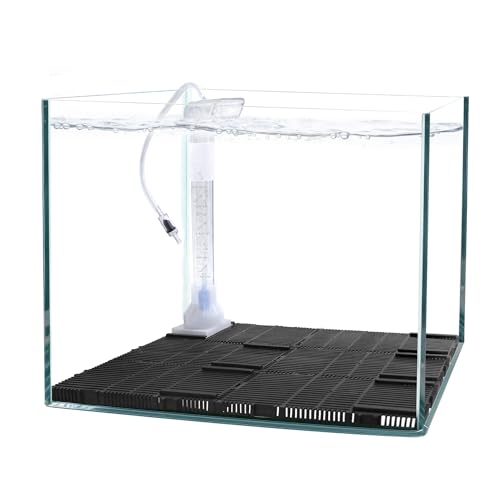
Complete Filter Kit: Includes 6 interlocking filter plates, 1 adjustable lift tube set (with fitting), 1 check valve, 1 regulator, 1 extra air stone, 1 x 39" extra airline tubing, and all required connectors—everything to build your undergravel system. (Please note: air pump and tank are not included and must be prepared separately.)
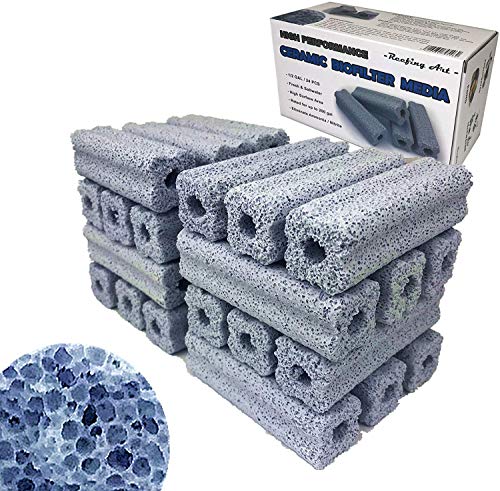
Each box: 24 pcs / half gallon / 1.75lbs
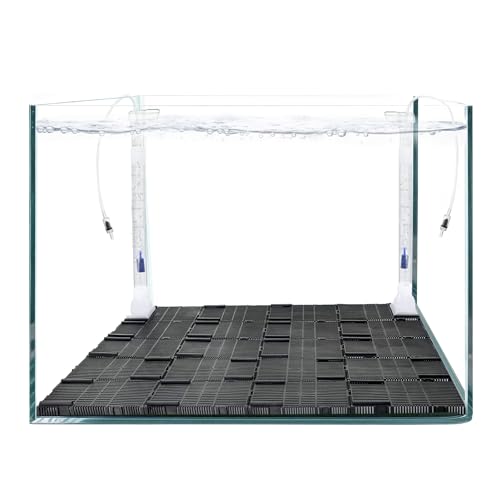
Complete Filter Kit: Includes 20 interlocking filter plates, 2 adjustable lift tube set (with fitting), 2 check valve, 2 regulator, 2 extra air stone, 2 x 39" extra airline tubing, 1 airline tee connector, and all required connectors—everything to build your undergravel system. (Please note: air pump and tank are not included and must be prepared separately.)
4. Organic Swimming Pond
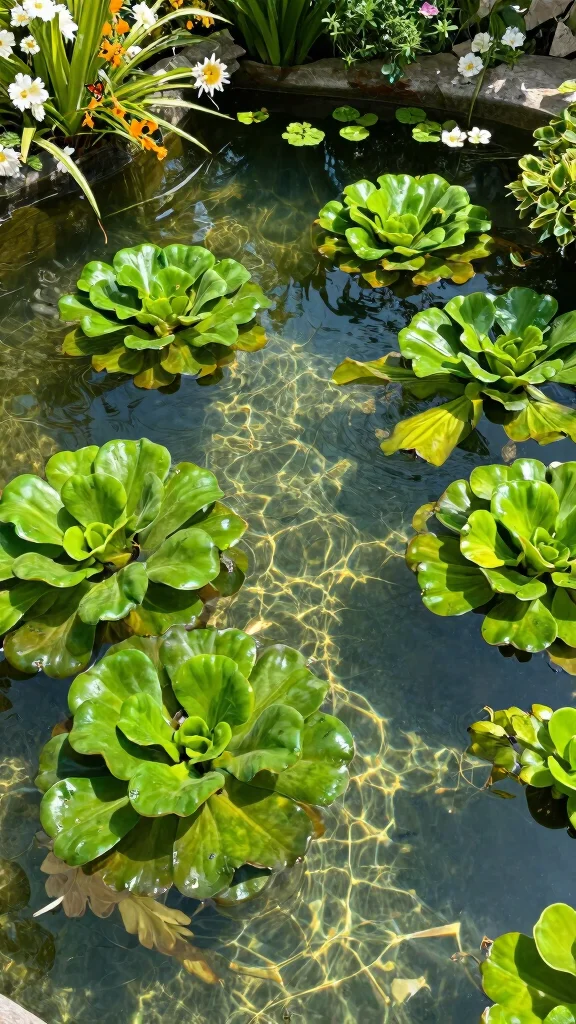
The Organic Swimming Pond is a beautiful blend of aesthetics and functionality. Featuring a natural filtration system powered by aquatic plants and gravel beds, this pool keeps the water crystal clear without chemicals. Enjoy a refreshing swim in a serene environment, accompanied by the gentle sounds of plants swaying in the breeze.
Begin by excavating a varied-depth area to create zones for swimming and plant growth. Introduce oxygenating plants like hornwort in deeper sections for efficient filtration. Surrounding the pond with native plants not only attracts pollinators but also enhances biodiversity.
Benefits to consider:
– Organic ponds require less maintenance than traditional pools.
– Natural filtration systems promote healthier water quality.
This pool design serves as more than just a swimming area; it’s a vibrant habitat for wildlife and a gorgeous centerpiece for your garden.
Recommended Products

Protect Wildlife: Beautifully crafted, escape ramp enables swift easy rescue for small animals like frogs and birds, ensuring they can climb to safety and avoid drowning hazards

GRADE 1 ECO-FRIENDLY PVC: Made with reinforced 0.9 mm triple-layer PVC scraper cloth and 1.2 mm high-transparency PVC, this canvas fish pond is durable, sun-resistant, and tear-resistant. It offers clear visibility and is wear-resistant and scratch-resistant, with a seamless design to avoid leaks.

Heavy-Duty 60-mil EPDM Rubber Liner - Extreme durability for ponds, waterfalls, and aquaponic systems. Superior puncture, UV, and weather resistance. Safe for fish and wildlife.
5. The Wildlife-Friendly Pool
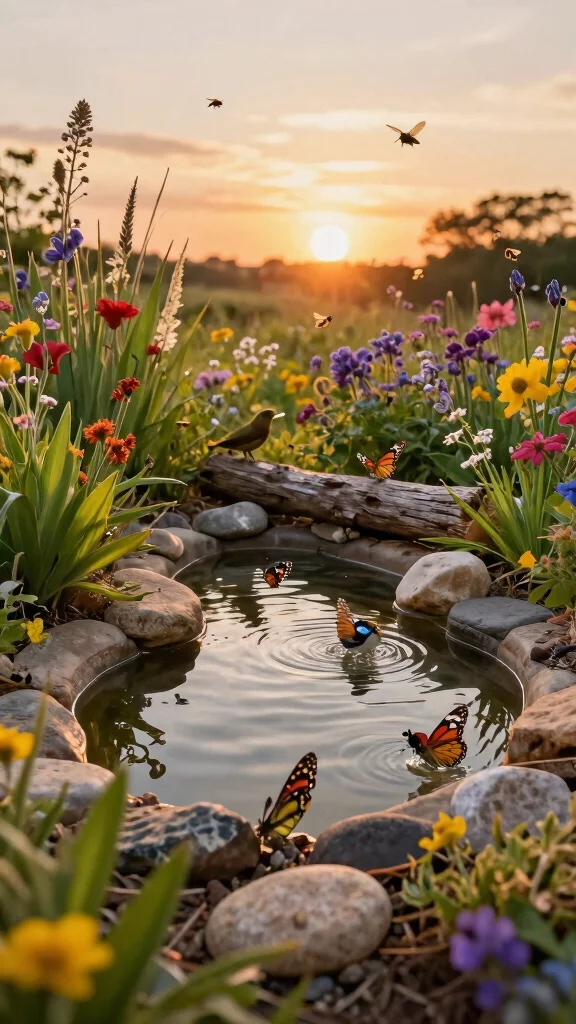
If you love nature, a Wildlife-Friendly Pool is the perfect way to support local wildlife. This pool design includes shallow areas for birds and insects, along with hiding spots for frogs and other creatures. Surrounding the pool with native plants provides essential food and habitat, encouraging a thriving ecosystem.
Incorporate shallow ledges that allow easy access for birds and small animals. Surround your pool with a mix of native flowering plants to attract pollinators. Adding natural materials like logs or stones will create shelter for local wildlife.
Key considerations:
– Avoid pesticides to protect the surrounding wildlife.
– Embrace diverse plants to support local ecosystems.
This design fosters a beautiful relationship between your pool and the surrounding wildlife, turning your space into a lively garden sanctuary.
Did you know a wildlife-friendly pool can support 20–40 species with native plants and shallow ledges? Add easy-access shelves for birds and frogs, and your natural pool becomes a thriving, low-maintenance oasis for local wildlife.
Recommended Products

Super Water Clarifier: Clorox Pool&Spa Swimming Pool Super Water Clarifier is a concentrated solution that clears dull, hazy, or cloudy pool water, leaving it sparkling clear. Ideal for restoring the clarity and sparkle of your pool.

Powerful Pool Enzyme Formula: Our weekly pool enzyme treatment boasts a potent blend of natural enzymes that break down organic matter, reducing the workload on your pool's filtration system and ensuring a clean, clear pool swimming environment.
Helps Improve Cloudy Pool Water - AquaDoc Pool Clarifier helps improve cloudy water by binding tiny suspended particles so they can be captured by your filtration system. Use this pool water clarifier when water looks dull or hazy to help improve overall water clarity.
Ongoing Maintenance & Care Guide
Maintenance Schedule:
Daily/Weekly Tasks:
– Check Water Levels: Keep an eye on the water level. You should ensure it’s maintained at a consistent level. ⏱ (5-10 minutes)
– Clean Debris: Remove leaves, twigs, and debris from the surface. This prevents algae growth and keeps your pool clean. ⏱ (10-15 minutes)
– Inspect Aquatic Plants: Make sure your plants are healthy. Remove dead leaves or any that show signs of distress. ⏱ (10 minutes)
Monthly/Seasonal Tasks:
– Test Water Quality: Check the pH, ammonia, and nitrate levels to ensure optimal conditions for both swimmers and aquatic life. ⏱ (30 minutes)
– Trim Aquatic Plants: Regularly trim back overgrown plants to maintain balance in your ecosystem. Ensure they don’t overshadow others. ⏱ (1 hour)
– Clean Filters and Pumps: Remove and clean the filters, as well as inspect the pump to ensure everything runs smoothly. ⏱ (30 minutes)
– Inspect Edge and Surroundings: Check the pool edges for cracks or erosion. Repair any issues to prevent water loss. ⏱ (30 minutes)
– Seasonal Water Change: Depending on the season, consider replacing up to 25% of the water to refresh your pool’s ecosystem. ⏱ (1-2 hours)
Maintenance Summary Table:
| Task | Frequency | Difficulty | Time Needed |
|—————————|—————-|————–|—————-|
| Check Water Levels | Daily | Easy | 5-10 minutes |
| Clean Debris | Daily | Easy | 10-15 minutes |
| Inspect Aquatic Plants | Daily | Easy | 10 minutes |
| Test Water Quality | Monthly | Moderate | 30 minutes |
| Trim Aquatic Plants | Monthly | Moderate | 1 hour |
| Clean Filters and Pumps | Monthly | Moderate | 30 minutes |
| Inspect Edge and Surroundings| Monthly | Moderate | 30 minutes |
| Seasonal Water Change | Seasonal (Every 3 months)| Hard | 1-2 hours |
Common Issues to Watch For:
⚠️ Water Clarity: If the water looks murky, it may indicate algae growth or high nutrient levels. You’ll need to test and adjust the chemistry.
⚠️ Unpleasant Odor: A strong smell can signal trouble with the water quality. Regular testing can help you address this issue quickly.
⚠️ Overgrown Plants: If plants are taking over, they can suffocate the ecosystem. Trim them back to maintain balance.
⚠️ Increased Mosquito Activity: Too many stagnant areas can attract mosquitoes. Make sure to keep the surface clear and consider using natural repellents.
Care Tips:
💡 Use Natural Barriers: Use plants or stones to naturally prevent debris from entering your pool. This can reduce your cleaning time.
💡 Create a Balanced Ecosystem: Include a variety of aquatic plants. This helps maintain a healthy balance and reduces the need for chemical treatments.
💡 Educate Yourself: Stay informed about common issues and remedies for natural pools. The more you know, the better equipped you are to handle problems as they arise.
💡 Incorporate Wildlife: Encourage beneficial wildlife, like frogs and dragonflies, which can help control pests and keep your pool healthy. But ensure they don’t overpopulate.
💡 Use Non-Toxic Products: Whether it’s for cleaning or treating the water, always opt for eco-friendly solutions to maintain a safe environment for all aquatic life.
Recommended Products

ENJOY A CLEAN POOL: Ideal daily use hand-held 2 foot long leaf skimmer pool net that provides fast, easy and efficient cleanup of leaves, bugs, bees and debris in spas, hot tubs, ponds, small swimming pools or a inflatable kid, kiddie pools.

POOLWHALE takes the hassle out of cleaning your pool, leaving you more time to enjoy your summer with friends and family! The above pool skimmer allows for easy clean up of leaves, debris, and bugs.This beautiful Pool skimmer net can also be used to clean hot tub, Spa and Pool fountain, Pools for Kids and Adults. This Pool net for cleaning helps you keep your Swimming Pool neat and clean. Pool cleaning has never been so simple.
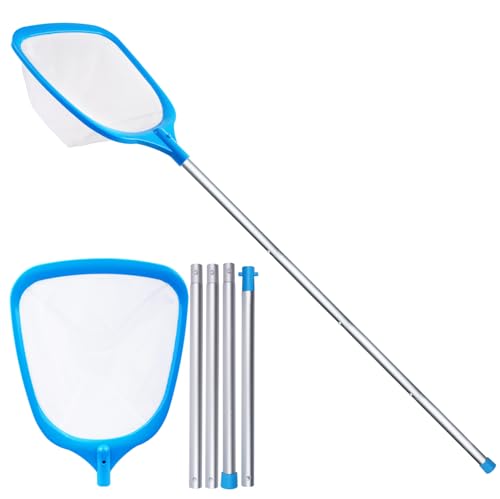
Handy Skimmer Net: Our pool skimmer net is compact and easy to handle making it the perfect tool for quick and efficient debris pick up. Whether you need to skim leaves, bugs, or other floating debris, this net is designed to get the job done swiftly
6. Native Plant Pool Sanctuary
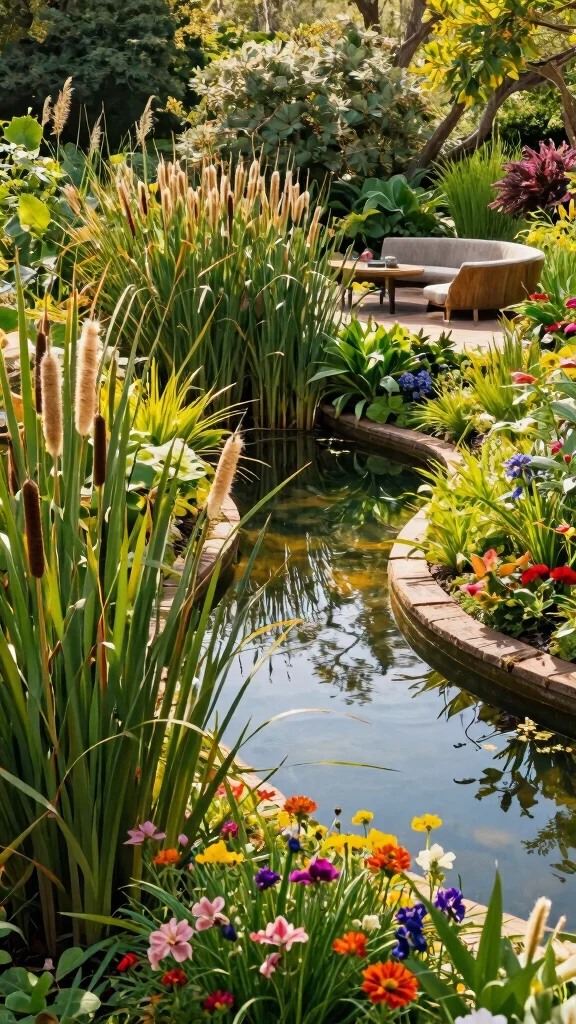
Transform your backyard into a Native Plant Pool Sanctuary that showcases the beauty of local flora. This pool design emphasizes indigenous plants, creating a self-sustaining habitat that requires less water and upkeep. The vibrant colors of native plants provide a stunning backdrop for your recreational area.
Select a variety of native wetland plants like cattails and bulrushes that thrive in your region. Designing gradual slopes facilitates diverse planting options and encourages wildlife visits. Create inviting seating areas surrounded by flowers for an intimate connection with nature.
Key benefits include:
– Attracting local wildlife for a balanced ecosystem.
– Lower water usage thanks to native plant adaptability.
This pool sanctuary is a commitment to sustainability and a celebration of your local environment.
Recommended Products

Natural Filtration: Helps control nitrates and ammonia levels in your water environment

【6-PACK FOR A BEAUTIFUL, CUSTOM POND】This value pack of six 7.4"×7.4"×7" planters gives you everything needed to create a stunning aquatic display. Perfect for a variety of plants, you can achieve a professional, natural look in your pond or water feature.
Made for Lotus & Water Plants – Formulated to support healthy growth in lotus and aquatic plants.
7. The Eco-Friendly Reflective Pool
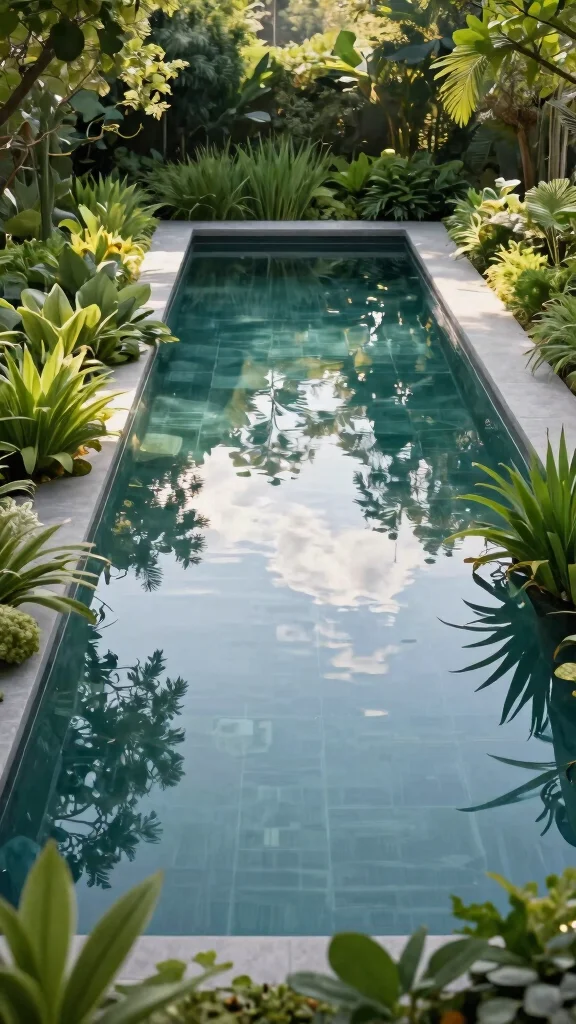
The Eco-Friendly Reflective Pool is a stunning blend of modern design and sustainability, serving as an eye-catching centerpiece for your garden. Its sleek structure not only reflects the surrounding landscape but also provides a habitat for various aquatic plants. With its minimalist approach, this pool integrates effortlessly into your environment.
When designing, choose natural materials and colors that harmonize with your garden. Large reflective water surfaces will offer breathtaking views of the sky and surroundings, while surrounding it with functional plants that thrive in shallow water enhances its appeal.
Key design highlights:
– Use nature-inspired materials that complement the landscape.
– Create reflective surfaces for stunning aesthetics.
– Surround with a mix of decorative and functional plants.
This design provides a serene swimming experience while capturing the beauty of nature.
Fun fact: A 12×6-foot natural pool can cut chemical use by up to 80% while delivering a stunning reflective surface that doubles as a garden centerpiece. With sustainable materials and a minimalist design, you get a chic, eco-friendly focal point that thrives with native aquatic plants.
Recommended Products

Complete Filter Kit: Includes 12 interlocking filter plates, 1 adjustable lift tube set (with fitting), 1 check valve, 1 regulator, 1 extra air stone, 1 x 39" extra airline tubing, and all required connectors—everything to build your undergravel system. (Please note: air pump and tank are not included and must be prepared separately.)

[Bio Pressure Pond Filter] ANBULL pond filtration system has a maximum flow rate of up to 4000L/H (1060GPH), which can effectively remove suspended solids in ponds. It is suitable for ornamental ponds under 1060gallons and fish ponds under 528gallons. Please remember that to achieve optimal performance, it is necessary to use a water pump in combination!

Enhanced Filtration Efficiency: FilPro Pea Gravel acts as an effective pre-filter, capturing larger debris and allowing finer sand media to perform optimally, resulting in crystal-clear water.
8. The Zen Garden Pool
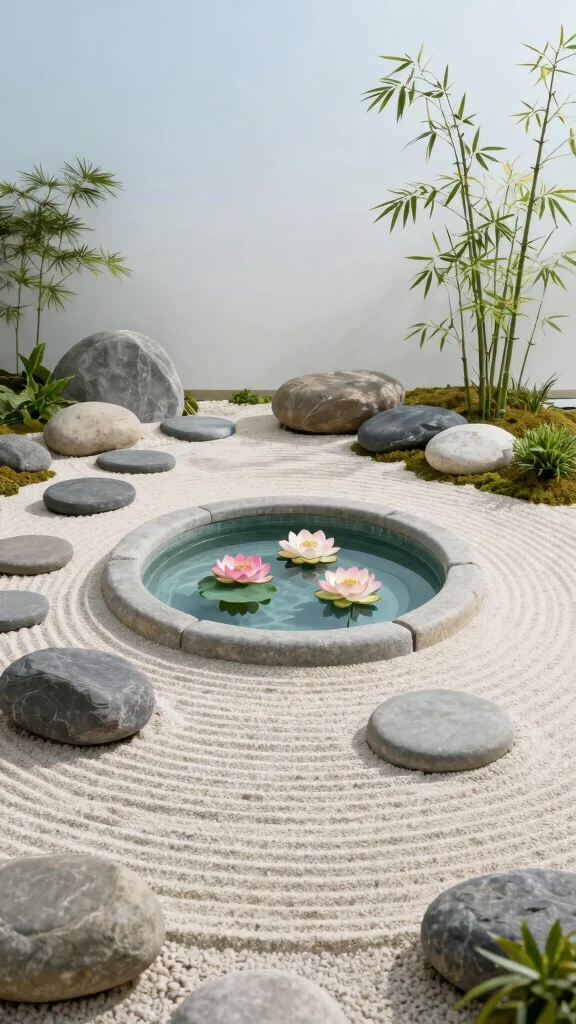
Create a peaceful retreat with a Zen Garden Pool, designed to promote relaxation and tranquility. This pool emphasizes simplicity, incorporating natural elements like rocks, sand, and carefully selected aquatic plants. The serene setting encourages meditation and appreciation of nature, making it your personal escape.
Use natural stones and sand to craft a beach-like edge. Include minimalist plants like lotus and bamboo, which symbolize peace. Design pathways with gravel or stepping stones for easy access to your tranquil oasis.
Benefits include:
– A meditative space that enhances mental well-being.
– Easy maintenance due to the simple design.
This pool design invites relaxation and reflection, providing a peaceful haven right in your backyard.
Recommended Products
Heavy-Duty 60-mil EPDM Rubber Liner - Extreme durability for ponds, waterfalls, and aquaponic systems. Superior puncture, UV, and weather resistance. Safe for fish and wildlife.

Durable Canvas: The koi tank consists of three layers, the outer two layers are PVC canvas coating with high strength polyester base cloth in the middle. Up to 0.7mm/28Mil thickness is cold & high temperature resistant ,durable to be a temporary holding tank.
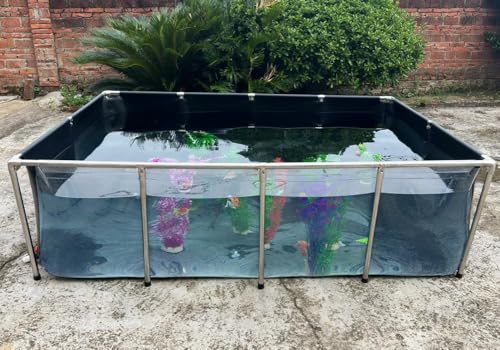
Durable Canvas: The koi tank consists of three layers, the outer two layers are PVC canvas coating with high strength polyester base cloth in the middle. Up to 0.7mm/28Mil thickness is cold & high temperature resistant ,durable to be a temporary holding tank.
9. The Floating Island Pool
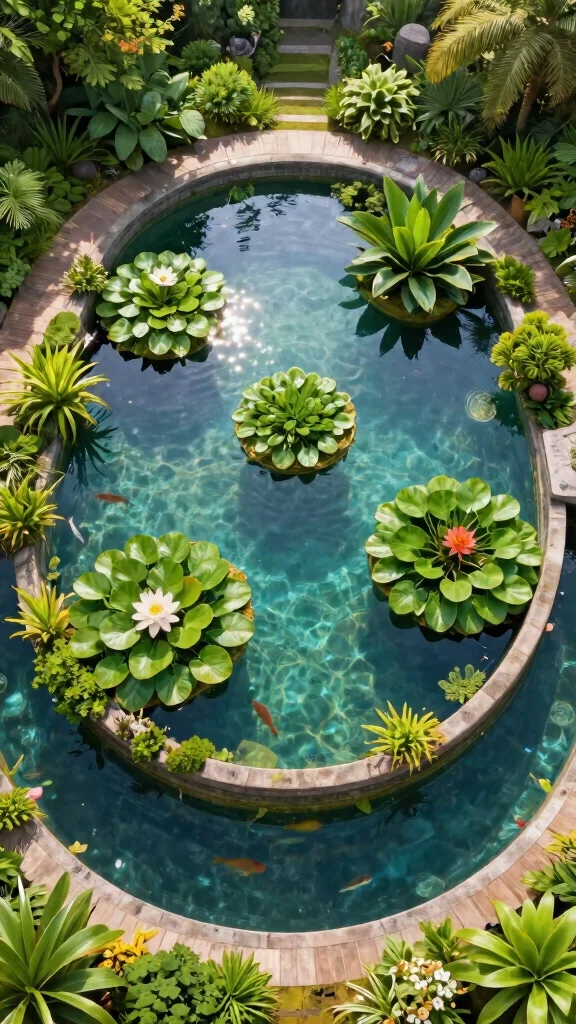
Imagine a pool dotted with floating islands bursting with aquatic plants. The Floating Island Pool design incorporates small platforms where plants thrive, creating sheltered areas for fish and wildlife. This creative approach adds a striking visual feature while supporting a healthy ecosystem.
Build floating platforms that hold soil and plants to facilitate natural filtration. Opt for vibrant plants like water lilies that will bloom beautifully on these islands. Creating pathways to these floating features ensures easy maintenance access.
Maintenance tips:
– Regularly monitor water quality and adjust plant types as needed.
– Secure floating islands to prevent drifting.
This imaginative design enhances your pool’s beauty while promoting ecological balance.
10. The Bio-Pool
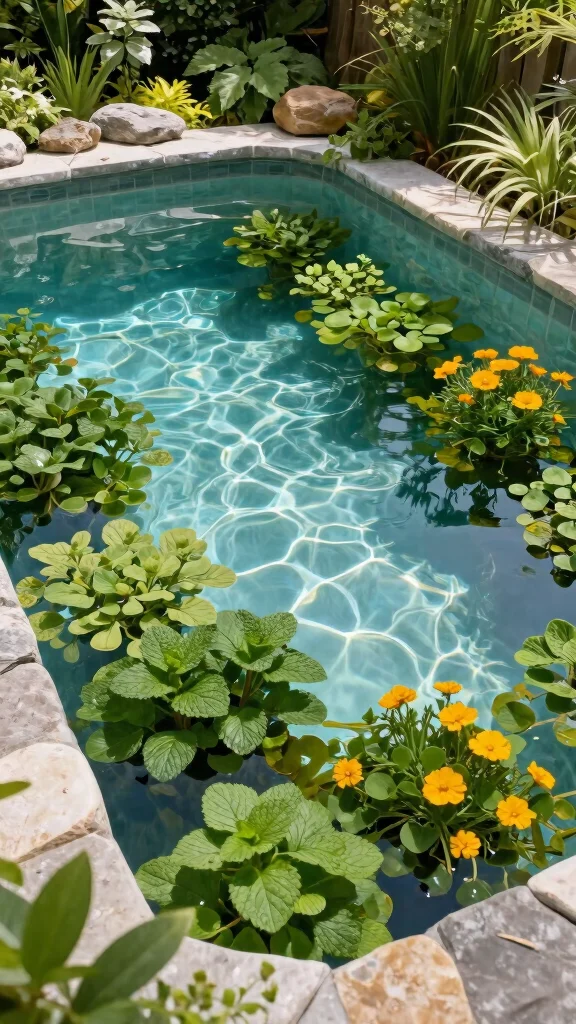
The Bio-Pool utilizes nature’s power to create a sustainable swimming environment. This pool design features a blend of aquatic plants and a natural filtration system, eliminating the need for harsh chemicals. Typically divided into zones, one for swimming and another for plant growth, this design ensures clarity and cleanliness.
Construct the pool with a clear separation between swimming and plant areas. Include a variety of water plants like water mint and marsh marigold to aid in filtration. Gradually sloping the pool will support diverse plant life for effective cleansing.
Benefits of this design:
– Minimizes chemical usage, ensuring a safer environment for swimmers.
– Enhances the garden’s aesthetic while promoting sustainability.
This approach offers a refreshing swimming experience while beautifully extending your garden’s charm.
Fun fact: A well-balanced bio-pool in a natural pool setup can cut chemical use by up to 90%. With separate swimming and plant zones, natural filtration keeps water clear without harsh additives.
11. The Natural Swimming Pool Deck
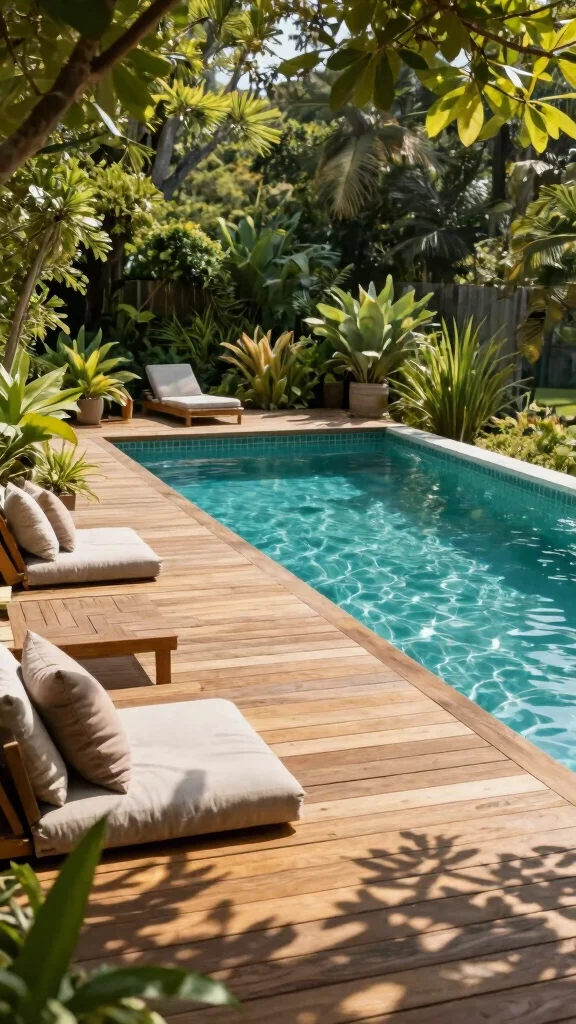
Upgrade your natural pool with a stunning deck that transforms it into the ultimate backyard retreat. A Natural Swimming Pool Deck provides a space for lounging while maintaining the eco-friendly essence of the pool. Opt for sustainably sourced wood or composite materials that blend seamlessly with the natural surroundings.
For a varied texture, mix wooden platforms with grassy areas. Incorporate built-in seating that invites relaxation and social gatherings. Surround the deck with native plants to enhance biodiversity and create an inviting atmosphere.
Considerations:
– Ensure materials are treated safely for outdoor use.
– Plan drainage to prevent water pooling around the deck.
This deck design elevates your pool experience, perfect for sunbathing or hosting friends while staying eco-conscious.
12. The Minimalist Natural Pool
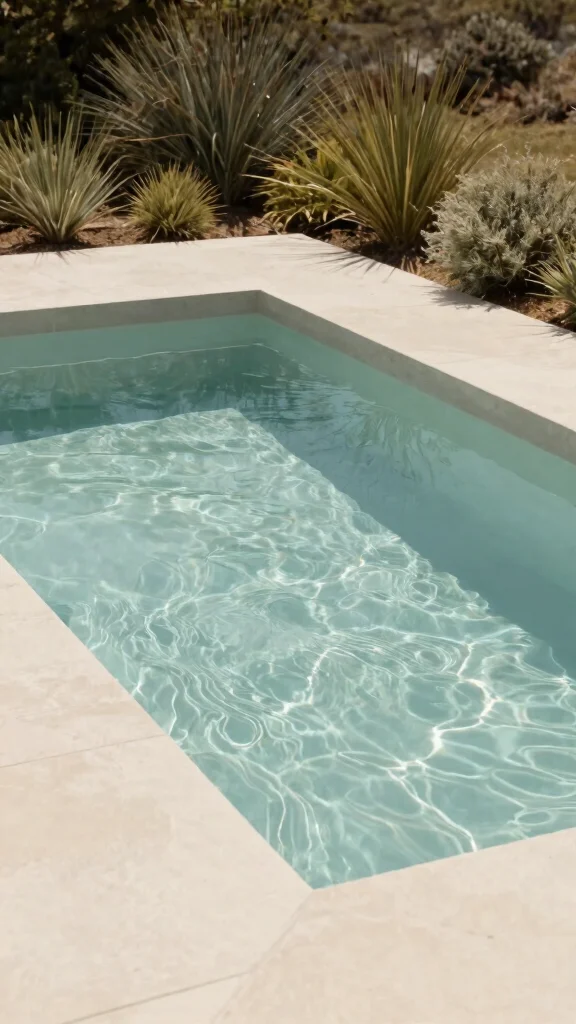
If you prefer a clean and simple aesthetic, the Minimalist Natural Pool is your ideal match. This design focuses on functionality and simplicity, minimizing distractions while highlighting the beauty of the surrounding environment.
Use neutral tones and clean lines for a sleek appearance. Incorporate subtle landscaping with native plants that complement rather than overpower the pool. A natural edge creates a seamless blend with the landscape.
Advantages include:
– Easier maintenance due to fewer decorative elements.
– Promotes a calm, stress-free atmosphere.
This type of pool serves as a serene escape, emphasizing the essential beauty of nature.
13. The Community Pool Garden
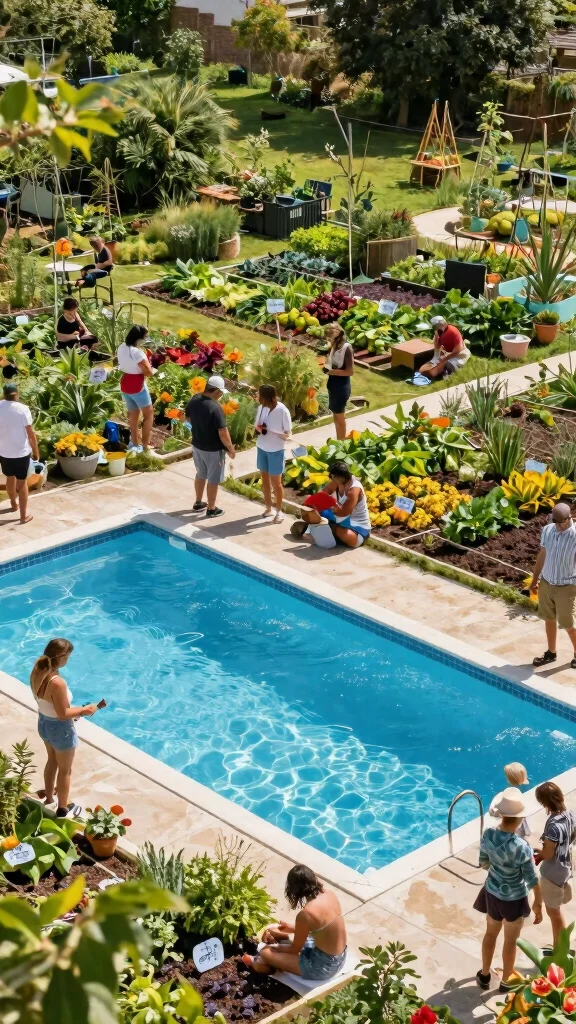
Imagine transforming your natural pool into a Community Pool Garden! This design promotes communal gardening and swimming experiences, benefiting neighbors and friends alike. It creates a sense of belonging, allowing everyone to contribute to the care and enjoyment of the space.
Establish designated gardening zones around the pool for shared planting and harvesting. Include relaxation areas with seating that invite gatherings and community events. Host educational events focused on sustainable gardening practices to deepen connections among participants.
Benefits of this approach:
– Encourages environmental awareness while fostering community spirit.
– Shared resources lighten individual workloads and enrich everyone’s experience.
This transformation not only enhances local biodiversity but also builds lasting connections among neighbors.
Conclusion
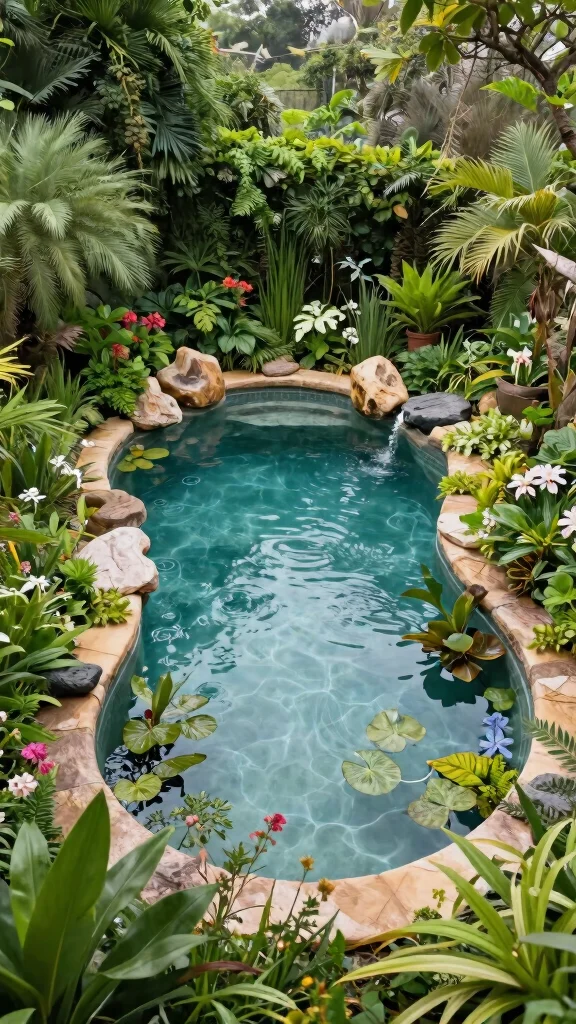
Creating a natural pool is more than just a home improvement; it’s a commitment to sustainability and eco-friendly living. Each of these ideas demonstrates how you can blend aesthetics with functionality, fostering biodiversity while enjoying a refreshing swim. Whether you’re inspired by a minimalist approach or a vibrant community space, there’s no better time to embrace natural aquatic gardening for your backyard oasis. Explore these concepts further, and imagine the joy of a beautiful, eco-friendly pool right in your own yard!
Note: We aim to provide accurate product links, but some may occasionally expire or become unavailable. If this happens, please search directly on Amazon for the product or a suitable alternative.
This post contains Amazon affiliate links, meaning we may earn a small commission if you purchase through our links, at no extra cost to you.
Frequently Asked Questions
Question: What exactly is a natural pool and how does it stay eco-friendly?
A natural pool is a swimming water feature that uses a regeneration zone of aquatic plants and beneficial bacteria to filter water instead of chlorine. It blends with the landscape for eco-friendly gardening and sustainable landscaping. In a typical setup, the natural swimming pool design separates a swimming area from the planted regeneration zone, with water circulating through a biofilter and plants. To get started, pick a sunny site, plan a regeneration zone that complements the size of your pool, choose native aquatic plants for pools, install a low-energy pump (solar power if possible), and monitor nutrients to keep the water clear without chemicals.
Question: Which aquatic plants are best for natural pools and how should I plant them?
Great options include native aquatic plants for pools like water lilies (for surface filtration and shade), iris (Iris pseudacorus) for marshy edges, and bog/marginal plants along the water’s edge. Floating plants such as duckweed or water lettuce help shade the water and reduce algae growth. Plant in shallow baskets at the edge of the regeneration zone, spacing roughly 30-45 cm apart to avoid crowding. Avoid invasive species and choose plants suited to your climate. Regularly trim and rearrange to maintain balance and ensure easy natural pool maintenance for viewers and swimmers alike.
Question: How can I design a natural pool that doubles as a backyard oasis with eco-friendly landscaping?
Start with a plan that clearly separates the swimming zone from the regeneration zone, then choose materials and plants that support sustainable landscaping. Use native plantings to create a lush edge, add seating, pathways, and natural shade using trees or pergolas. Build with natural materials like stone, timber, or recycled aggregates to enhance the backyard oasis ideas vibe. Incorporate a energy-efficient pump, consider solar power, and design gutters and overflow to prevent nutrient-rich runoff into surrounding soil. The result is a beautiful, low-maintenance, eco-friendly gardening project that highlights the natural pool aesthetic.
Question: What maintenance steps keep a natural pool clear without chemicals?
Commit to regular maintenance that supports the biological filtration of your natural pool. Skim debris and brush the walls weekly, monitor water clarity and the balance of nutrients, and ensure the regeneration zone remains healthy with dense plant growth. Minimize nutrient input from nearby lawns and using fertilizers by planting buffer zones. Use beneficial bacteria or enzymes if needed, and manage sunlight with shading plants or canopies to reduce algae growth. Check pumps and plumbing for leaks, and winterize if you live in a cold climate. With these steps, you can enjoy a clear, chemical-free swimming experience.
Question: What are common mistakes to avoid when building a natural pool?
Common pitfalls include underestimating the size of the regeneration zone, selecting non-native or invasive aquatic plants, and relying on chemicals for sanitation. Poor circulation or an undersized pump can lead to stagnation and algae, while an overly dense planting plan can choke the system. Failing to plan for proper overflow, filtration, and safety features can create long-term maintenance headaches. Finally, neglecting ongoing maintenance and seasonal care can derail your eco-friendly pool goals. Avoid these missteps to keep your natural pool thriving as a centerpiece of backyard oasis ideas and sustainable landscaping.
Related Topics
natural pool
eco-friendly gardening
sustainable landscaping
aquatic plants
backyard oasis
natural swimming pool
DIY pool design
easy maintenance
beginner friendly
green living
outdoor aesthetics
pool landscaping