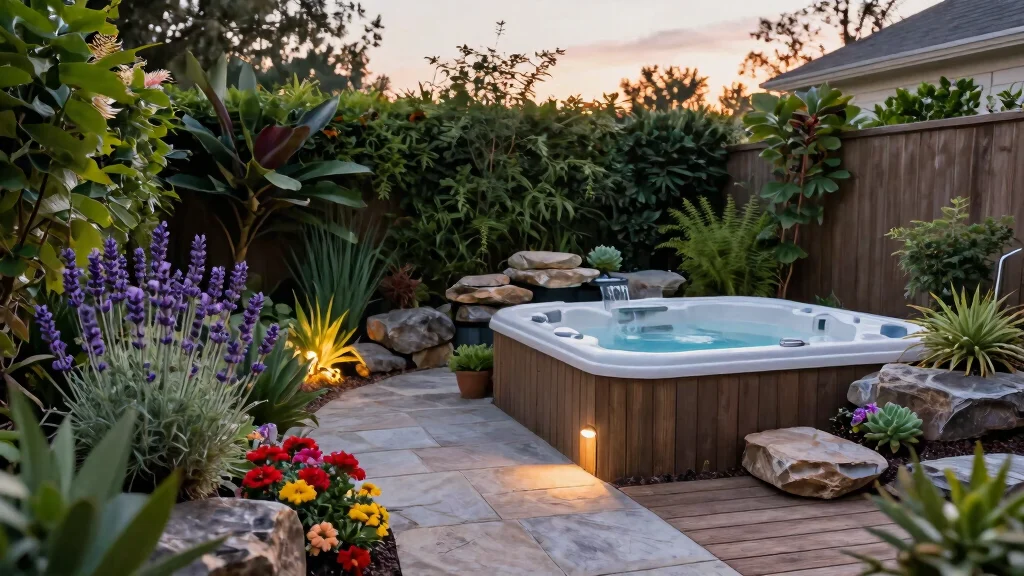
Creating your own backyard oasis with a hot tub is not just about soaking in warm water; it’s about crafting a serene space that brings joy and relaxation. This post is designed for anyone who dreams of enhancing their outdoor living experience, especially those who care about eco-friendly practices. If you’re looking for inspiration to transform your backyard into a sustainable paradise, you’re in the right place.
I’ve gathered 13 eco-friendly hot tub landscaping ideas that are not only beautiful but also easy to implement. From incorporating native plants to designing cozy seating areas, these ideas will help you create a sanctuary that reflects your style while being kind to the environment. You’ll find practical tips and creative solutions that make your backyard the perfect retreat for relaxation and enjoyment.
So, if you’re ready to dive into a world of greenery and imagination, let’s explore some fantastic hot tub landscaping ideas that will elevate your outdoor space!
Key Takeaways
– Native Plant Paradise: Using native plants not only enhances your backyard’s beauty but also supports local wildlife and requires less water and maintenance.
– Drought-Resistant Design: Incorporate plants and materials that thrive in dry conditions, reducing water use while still creating a lush environment.
– Vertical Gardens: Maximize space and add visual interest with vertical gardens that can serve as living walls around your hot tub area.
– Water Features: Adding elements like fountains or ponds can create a soothing ambiance and enhance the overall aesthetic of your backyard oasis.
– Mood Lighting: Incorporate eco-friendly lighting options to create a relaxing atmosphere that can be enjoyed both day and night, making your outdoor living space inviting at all hours.
Recommended Products
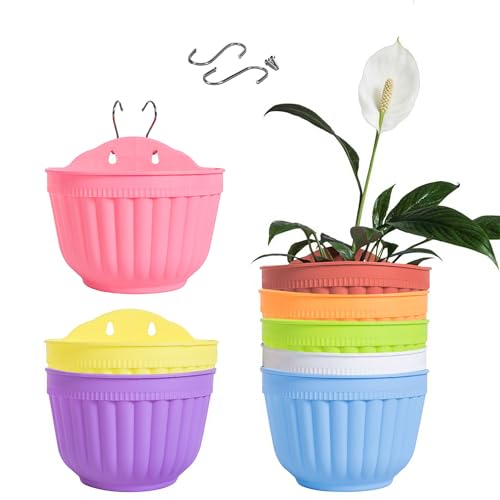
Indoor & Outdoor Wall Planter: vertical wall hanging planter made of high quality durable PP resin material, safe and non-toxic, this polypropylene resin planter is a tough,...
1. Native Plant Paradise
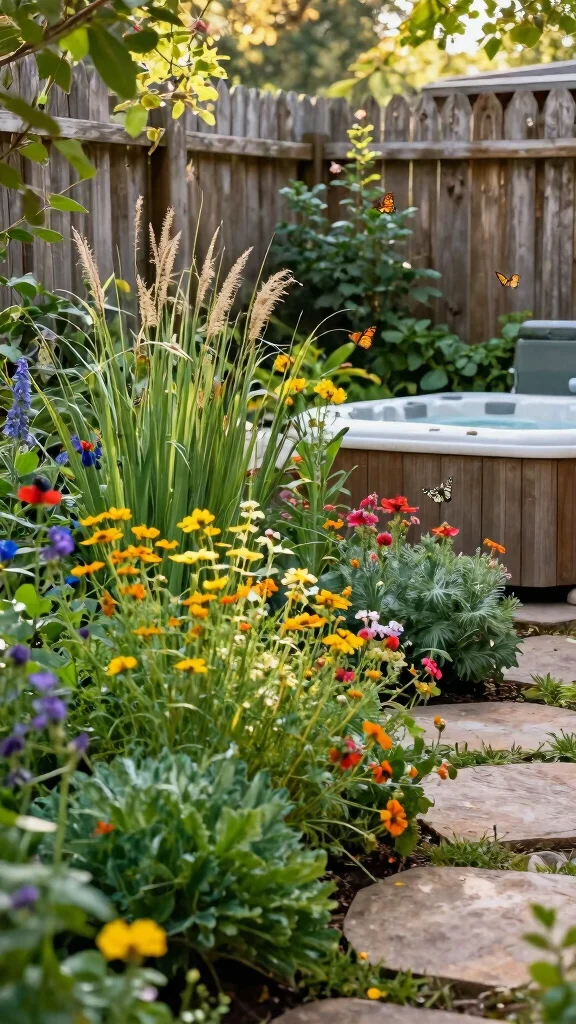
Creating a stunning hot tub landscape starts with the right plants. Choosing native plants not only enhances beauty but also promotes sustainability. These plants thrive in your local climate and require minimal care, making them a perfect choice for your outdoor oasis. Think about incorporating vibrant wildflowers, lush grasses, and resilient shrubs that flourish in your area.
To get started, explore local nurseries for native options that fit your style. Pair different plant heights and colors for a dynamic look that captivates the eye. Adding a layer of mulch helps retain moisture and keeps weeds at bay, all while adding a polished finish to your garden.
Key benefits of using native plants:
– Attracts local wildlife like birds and butterflies.
– Reduces water usage and maintenance costs.
– Provides a natural backdrop that blends beautifully with your landscape.
Integrating native plants into your hot tub area cultivates a vibrant, eco-friendly space that thrives with life and color.
Recommended Products
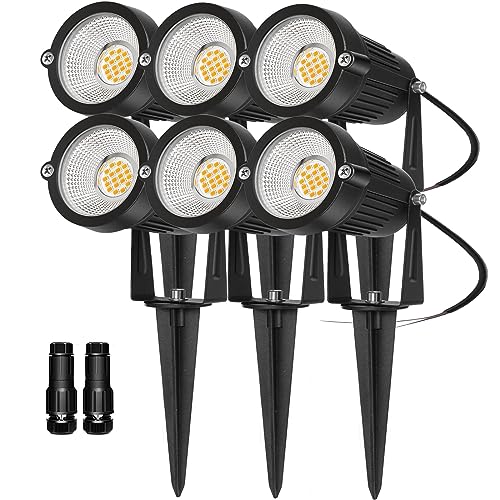
12V 24V Low Voltage Landscape Lights: Low voltage landscape light is the most popular outdoor lighting option for residential use. It improves the beauty, safety and security of any home, and lets you enjoy your outdoor living spaces after the sun goes down. They can be installed along walkways, steps, and driveways, or pointing up at trees, walls, and fences.

Anti-Glare Ground Lights: These outdoor ground lights feature an aluminum helmet-shaped design that is not only sturdy and durable, but also can minimize the upward light glare. 5W 3000K warm white well lights are perfect for low voltage landscape lighting of garden, pathway, sidewalk, and patio, creating a comfortable ambiance while enhancing the beauty of outdoor space.
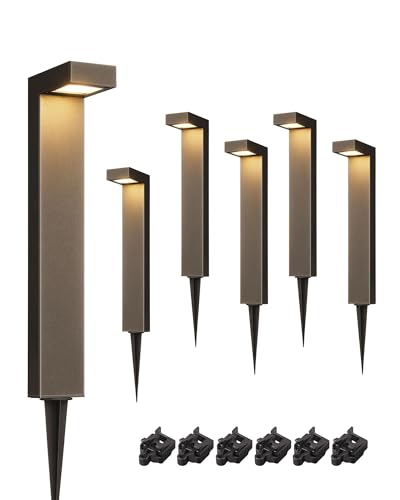
【Warm & Sufficient Light】With brightness of 85lm, this 3.2W 12V AC/DC low voltage LED landscape pathway light is bright enough to illuminate your front/back yard, walkway and driveway; 3000K warm white light and CRI of 80 to beautify your alley, garden, fences, patio, and swimming pool, creating a comfortable dreamy night scene
2. Drought-Resistant Design
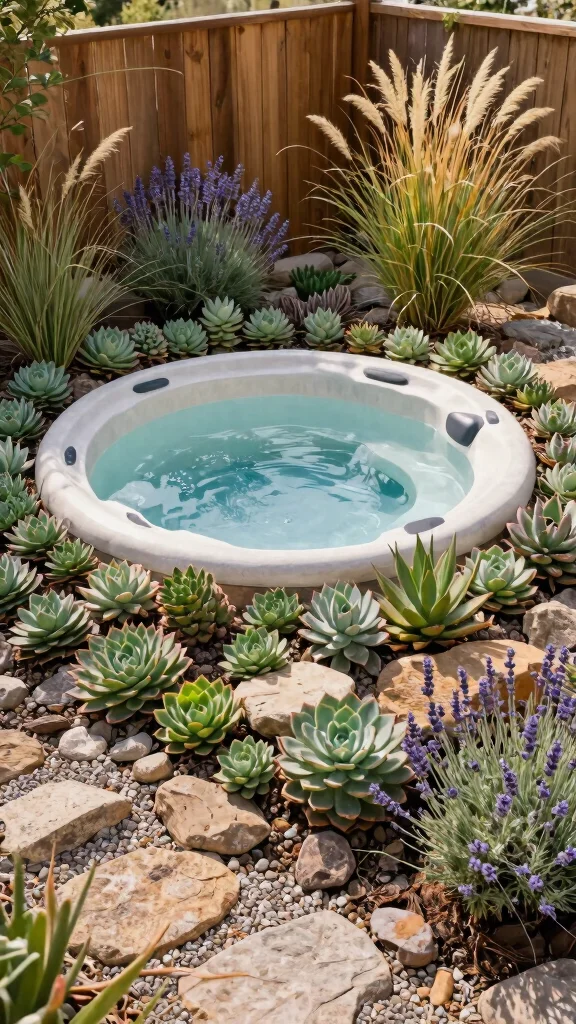
If you live in a drought-prone area, you can still create a beautiful hot tub landscape. Incorporating drought-resistant plants ensures that your garden remains stunning while conserving water. These hardy plants thrive in dry conditions, making them a smart choice for low-maintenance landscaping.
Consider mixing succulents, lavender, and ornamental grasses for a visually appealing layout. Grouping plants by their watering needs can simplify care, allowing you to enjoy your hot tub without worry. Additionally, using gravel or stones can enhance drainage while adding an attractive dry riverbed effect.
Popular drought-resistant plants include:
– Succulents: Unique shapes that need very little water.
– Lavender: Fragrant, attracts pollinators, thrives in sandy soil.
– Ornamental grasses: Add texture and movement without high moisture needs.
This approach not only beautifies your space but also supports the environment by minimizing water usage.
Recommended Products
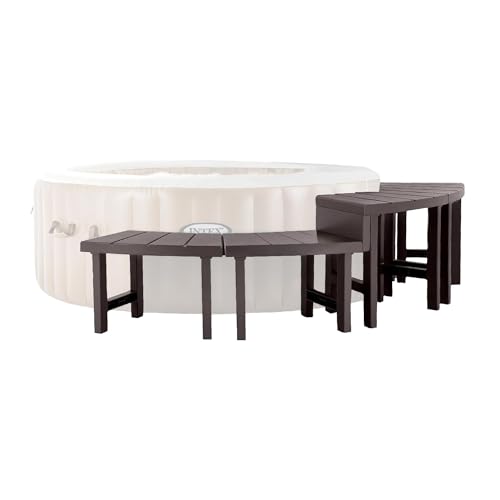
BENCH SET: Set of 2 Medium and 2 Tall curved PureSpa Accessory Benches provide convenient seating and storage to your hot tub setup COMPATIBLE WITH 4 PERSON SPAS: Decorative...
3. Vertical Gardens
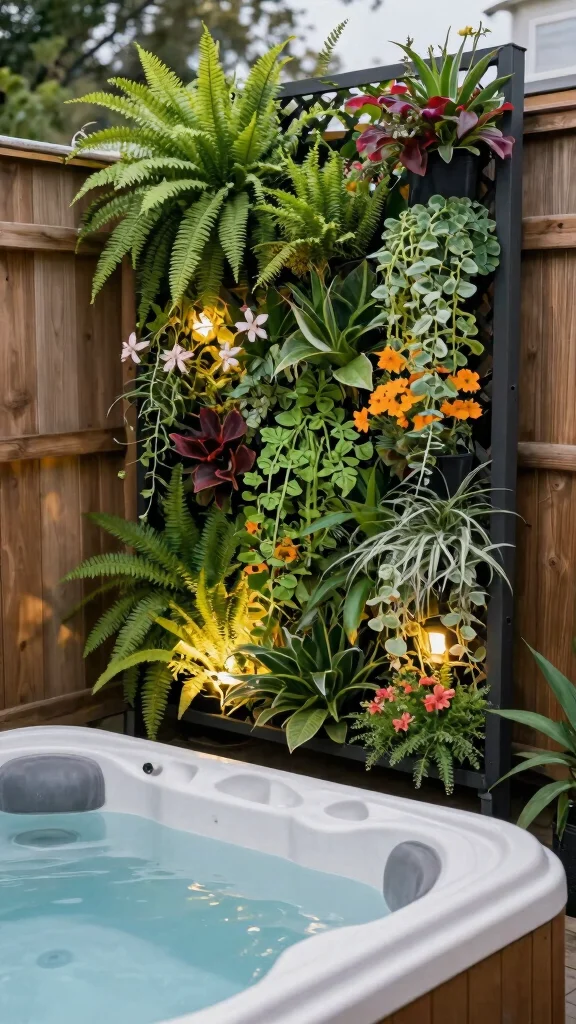
If space is tight in your backyard, vertical gardens are a fantastic solution. These living walls allow you to enjoy lush greenery without sacrificing ground space, creating a unique atmosphere around your hot tub. By using various plants, you can easily add dimension and interest to your outdoor area.
Start by using a trellis or modular vertical garden kit to support your chosen plants. Mixing trailing, climbing, and upright plants can create a vibrant display. Just ensure these plants receive adequate sunlight and water for optimal growth.
Benefits of vertical gardens include:
– Creates a stunning focal point in your landscape.
– Provides insulation and privacy for your hot tub area.
– Allows for creative plant combinations, including herbs and flowers.
This innovative approach transforms your outdoor space into a green sanctuary while maximizing limited areas.
Fun fact: Vertical gardens free up ground space by up to 30%, so you can surround your hot tub with lush greenery without crowding the yard. This simple setup boosts your hot tub landscaping ideas—trellis or modular kits, mixed trailing and upright plants, and instant atmosphere.
Recommended Products

1.Unique Design: Waterfall fountain features a modern yet timeless design inspired by natural waterfalls. Its tiered structure creates a mesmerizing visual effect. Perfect for yards, entryways, or poolside areas, complementing any landscape style.

Outdoor Water Fountain: With its modern design, the waterfall fountain is perfect for your outdoor home and interior decoration. Especially in the evening, the lighting creates a visually appealing and tranquil atmosphere

10-Tier Cascading Design: Featuring 10 tiers of cascading water, YZM rock fountain brings the peaceful sound of nature to your garden, patio, or backyard, creating a serene and relaxing atmosphere perfect for unwinding
How To Choose Eco-Friendly Hot Tub Landscaping Ideas
When planning your hot tub landscaping, it’s essential to consider a few key factors that align with eco-friendly practices. Here’s how you can make the best choices for your backyard oasis.
1. Assess Your Space
Before diving into design, take a good look at your backyard. Measure the area around your hot tub to determine how much space you have for landscaping. Consider the sun and shade patterns as well. This helps you choose plants that will thrive in your specific conditions. Aim for at least 5-6 feet of open space around the hot tub for safety and aesthetic appeal.
2. Choose Native Plants
Selecting native plants is a fantastic way to boost biodiversity and reduce water usage. Native plants are already adapted to your local climate and soil, making them easier to care for. Research local flora that fits your style and can bloom throughout the year. For example, if you’re in a dry area, opt for plants like lavender or sage which require less water.
3. Incorporate Drought-Resistant Options
Drought-resistant plants are not only eco-friendly but also reduce maintenance efforts. These plants require less irrigation and are perfect for saving water. Look for succulents, ornamental grasses, and flowering shrubs that thrive in dry conditions. Group these plants together to create a striking visual while conserving water.
4. Focus on Hardscape Features
Your landscaping can also include hardscape elements like pathways and seating areas made from sustainable materials. Consider using reclaimed wood or recycled stone for patios and paths surrounding your hot tub. This not only reduces your environmental impact but also adds a rustic charm to your backyard design.
5. Maximize Landscape Lighting
Landscape lighting enhances the ambience of your outdoor living space while being energy-efficient. Choose solar-powered lights that illuminate pathways and highlight plants around your hot tub. This not only adds safety but also creates a magical atmosphere in the evenings.
6. Incorporate Water Features
Adding a water feature is a beautiful way to complement your hot tub area. Consider a small pond or fountain that recycles water, which can attract wildlife and promote relaxation. Ensure that the design fits naturally with the surrounding plants and hardscaping.
Pro Tip: Always keep maintenance in mind when selecting plants and materials. Choose options that require less care to enjoy your backyard without constant upkeep. Creating a balance of beauty and sustainability will ensure your hot tub landscaping is both stunning and eco-friendly.
By following these guidelines, you can create an eco-friendly hot tub landscaping experience that enhances your outdoor space while being kind to the environment. Happy landscaping!
4. Natural Stone Borders
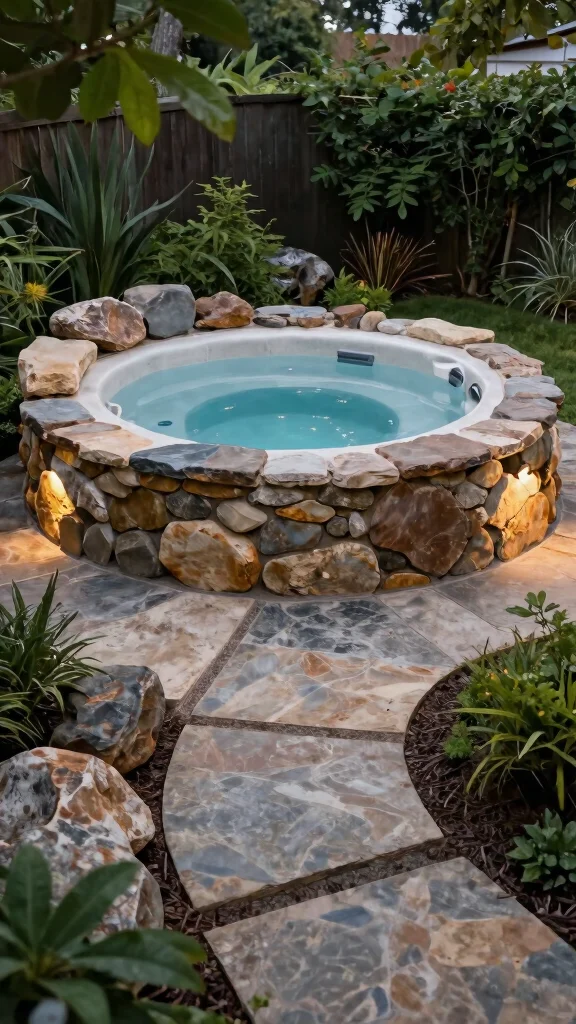
Incorporating natural stone into your hot tub landscaping adds a touch of rustic charm. These durable materials not only define spaces but also enhance the overall aesthetic of your backyard. Stone borders can create pathways and provide structure, making your landscape visually appealing.
Consider using large stones to outline your hot tub area and smaller stones to create charming paths. Combining stones with gravel or mulch adds texture and a layered look, elevating your outdoor design.
Key benefits of using natural stone:
– Durable and weather-resistant for long-lasting beauty.
– Blends seamlessly with natural surroundings.
– Provides essential structure to your landscape.
This eco-friendly choice also reduces water runoff while creating beautiful, functional spaces around your hot tub.
Fun fact: Natural stone borders can define hot tub spaces and reduce soil erosion by up to 25%. Layering stones with gravel or mulch adds texture and improves drainage, boosting your hot tub landscaping ideas into something practical and stunning.
Recommended Products

【Warm & Sufficient Light】With brightness of 85lm, this 3.2W 12V AC/DC low voltage LED landscape pathway light is bright enough to illuminate your front/back yard, walkway and driveway; 3000K warm white light and CRI of 80 to beautify your alley, garden, fences, patio, and swimming pool, creating a comfortable dreamy night scene

【Upgrade Landscape Lighting LED Light Source & High Brightness】This set includes 8 pieces of 5W COB LED Lights, each delivering 500 Lumens. Great for illuminating backyard BBQ party, patio gathering, and highlighting garden trees/flags to create a warm, welcoming ambiance. It also brightens dark walkways and house perimeters, helping improve home security and reduce trip hazards for kids and seniors at night.

Complete Landscape Lighting Kit: Everything you need is in the box! Includes an ETL-certified 60W transformer, UL-listed 100ft 16/2 AWG wire, 8 die-cast aluminum pathway lights, and 16 connectors. Enjoy convenience in one package
5. Edible Landscaping
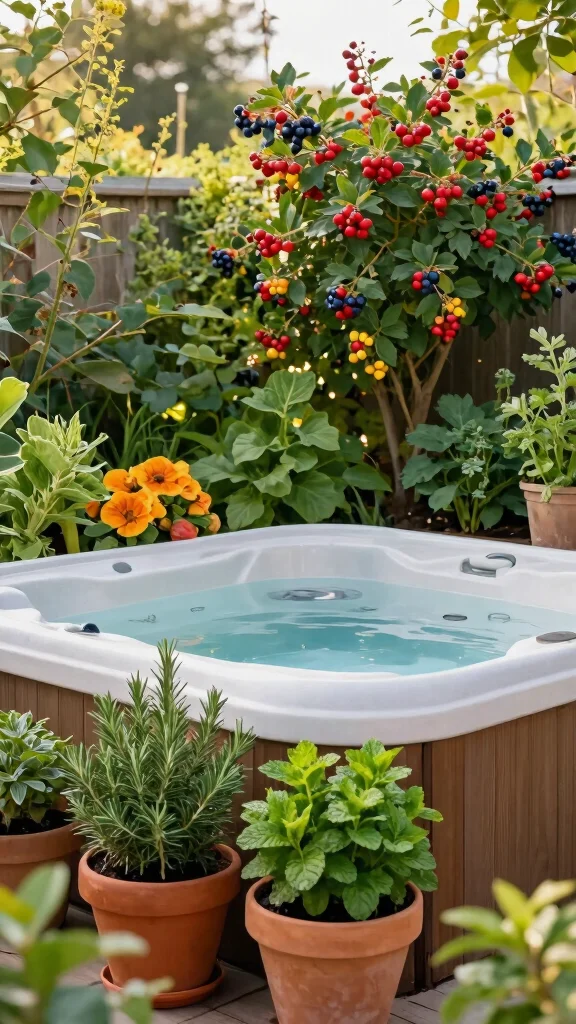
Imagine enjoying fresh herbs and vegetables while soaking in your hot tub. Edible landscaping combines beauty and practicality, allowing you to harvest delicious produce right from your garden. This approach enhances your outdoor experience and adds delightful scents to your space.
Consider planting herbs like rosemary and mint in pots around your hot tub. Berry bushes can provide both color and tasty treats, while vegetable patches can blend seamlessly into your landscape. Using pots or raised beds that match your hot tub’s design keeps everything visually appealing.
Best edible plants to incorporate:
– Herbs like rosemary, thyme, and mint for delightful scents.
– Berry bushes for color and delicious snacks.
– Vegetable patches that enhance beauty without cluttering.
By integrating edible plants, you create a functional garden that delights your senses and enhances your relaxation time.
6. Water Features
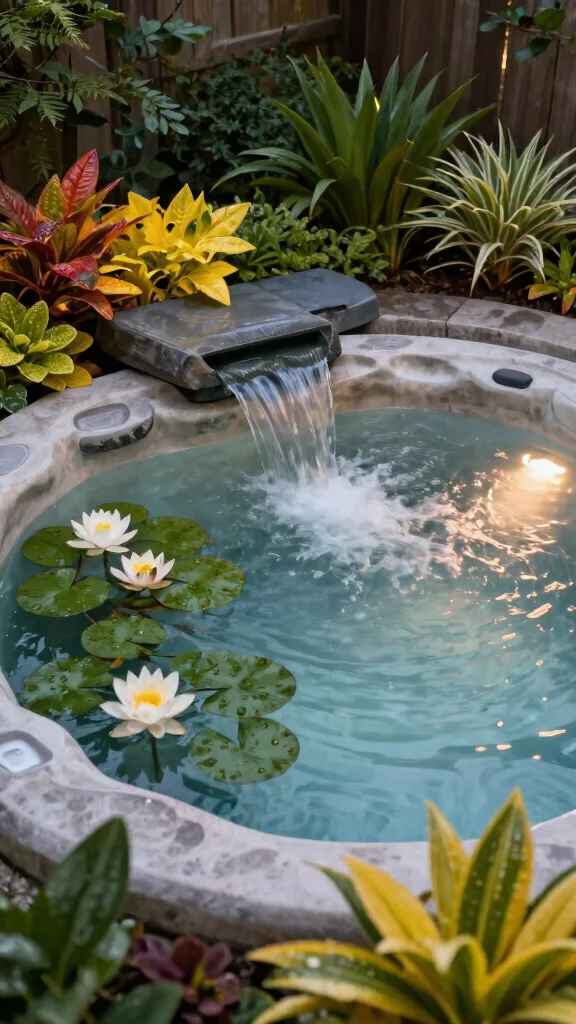
Adding water features like fountains or ponds can elevate the ambiance of your hot tub area. The gentle sound of trickling water creates a serene atmosphere, perfect for relaxation. Whether you prefer a small pond or a stunning waterfall, these elements enhance your landscape beautifully.
Consider placing freestanding fountains nearby for their soothing sounds and visual appeal. Small ponds with aquatic plants can attract wildlife, while waterfalls add a dramatic touch to your design. Proper placement ensures that these features complement your space without overwhelming it.
Types of water features to consider:
– Freestanding fountains for peaceful sounds.
– Small ponds with aquatic plants for wildlife attraction.
– Waterfalls for a dramatic landscape effect.
Incorporating water features transforms your hot tub area into a tranquil retreat where you can unwind and connect with nature.
Recommended Products

High-quality Resin Material Ensures Long-lasting Use: Resin material can be used for indoor and outdoor all-weather, the use of resin material also makes the fountain more realistic, lightweight features can be more convenient to move the fountain position

Outdoor Water Fountain: With its modern design, the waterfall fountain is perfect for your outdoor home and interior decoration. Especially in the evening, the lighting creates a visually appealing and tranquil atmosphere
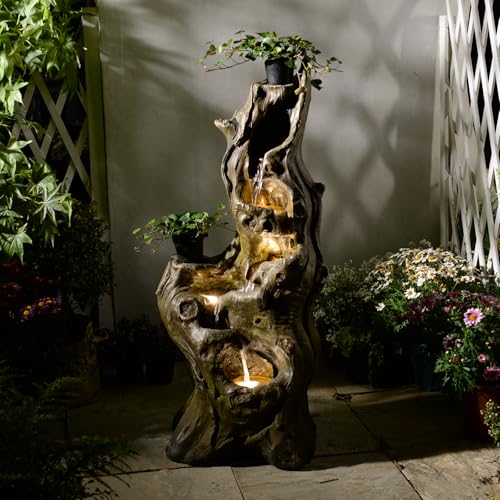
GARDEN WATERFALL FOUNTAIN: Sunlinua running water fountain has built-in golden lighting to create a warm atmosphere. The waterfall fountain will turn into a magnificent indoor or outdoor decoration at night
7. Cozy Seating Areas
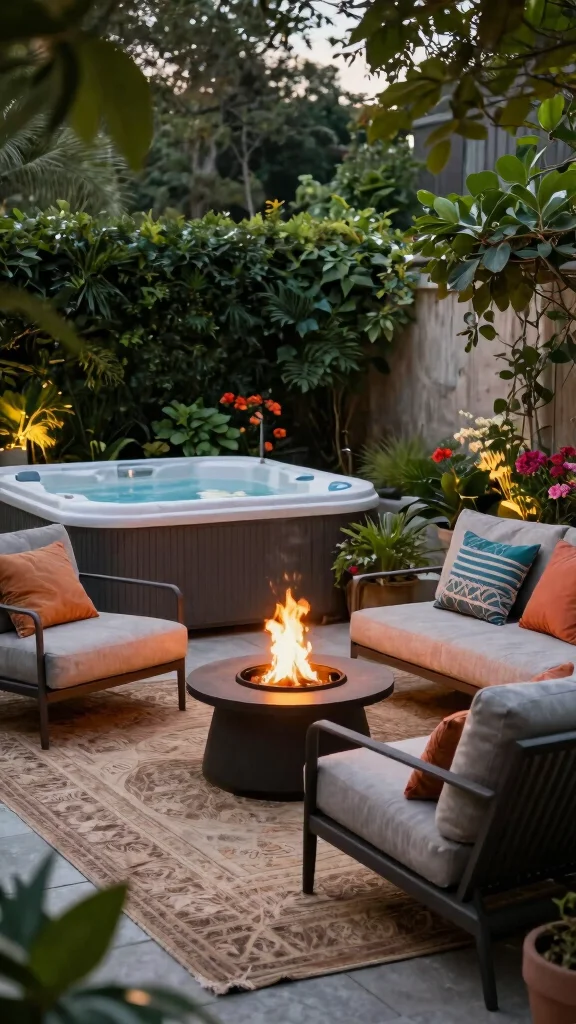
Creating cozy seating areas near your hot tub enhances your outdoor living experience. These inviting spaces can be perfect for relaxation, socializing, or enjoying meals outdoors. Thoughtful design makes your hot tub area even more enjoyable.
Use comfortable outdoor furniture like lounge chairs and weather-resistant sofas to create inviting spots. Hammocks can add a playful touch, while fire pits provide warmth and ambiance during cooler evenings. Arranging seating to encourage conversation while facing the hot tub maximizes enjoyment.
Ideas for cozy seating:
– Comfortable lounge chairs and sofas for relaxation.
– Hammocks for a fun, laid-back vibe.
– Fire pits for warmth and evening gatherings.
By designing cozy seating areas, you create a welcoming environment that encourages you to enjoy your outdoor space even more.
8. Mood Lighting
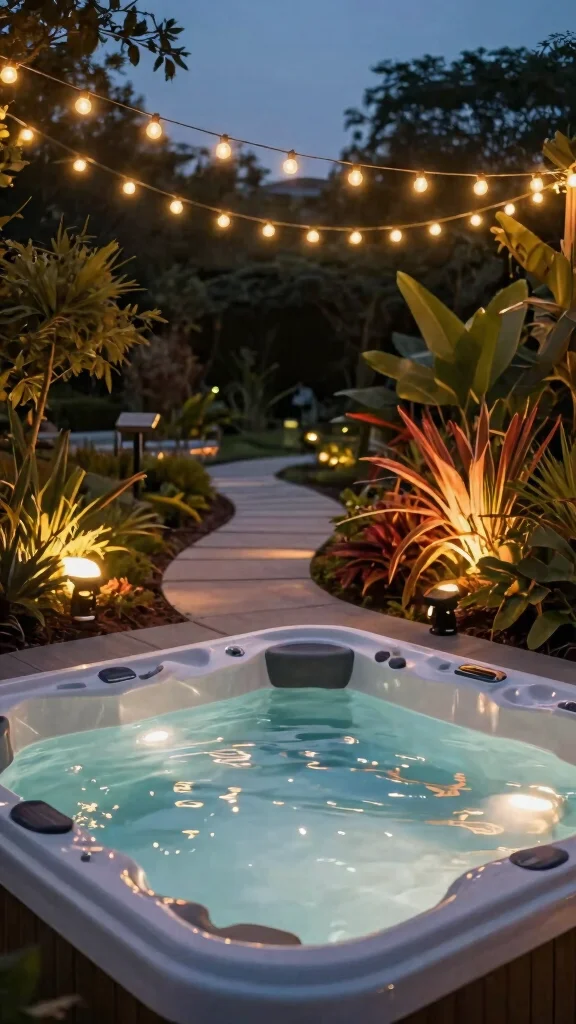
Transforming your hot tub area with soft landscape lighting can create a magical atmosphere. Thoughtful lighting enhances the beauty of your plants while providing a cozy setting for evening relaxation. Elevating the ambiance with the right lighting can completely change your outdoor experience.
Consider using string lights overhead for a whimsical touch. Solar-powered path lights can guide guests safely to your hot tub, while spotlights can highlight key features. Layering different types of lighting adds depth and interest to your outdoor design.
Lighting options to consider:
– String lights for a charming overhead effect.
– Solar path lights for safety and guidance.
– Spotlights to highlight plants and features.
With the right lighting, your hot tub area becomes a stunning retreat under the stars, perfect for relaxation and enjoyment.
Recommended Products

Bright Lights & Wider Coverage: These low voltage pathway lights feature 5W LED chips that output 500 lumens of 3000K soft white light. The advanced optical design ensures a broad illumination range, effectively lighting up your path, yard, or garden with clear and even brightness

[Bright Lights] 3W 150LM LED lights emit a bright but not glaring light; 12V AC/DC lets every beam of light disperses evenly; garden pathway lighting perfect for creating a dreamy night scene in your garden, yard, patio, etc.; add decoration to your garden with umbrella-shaped lamp shell daytime
9. Aromatic Plants
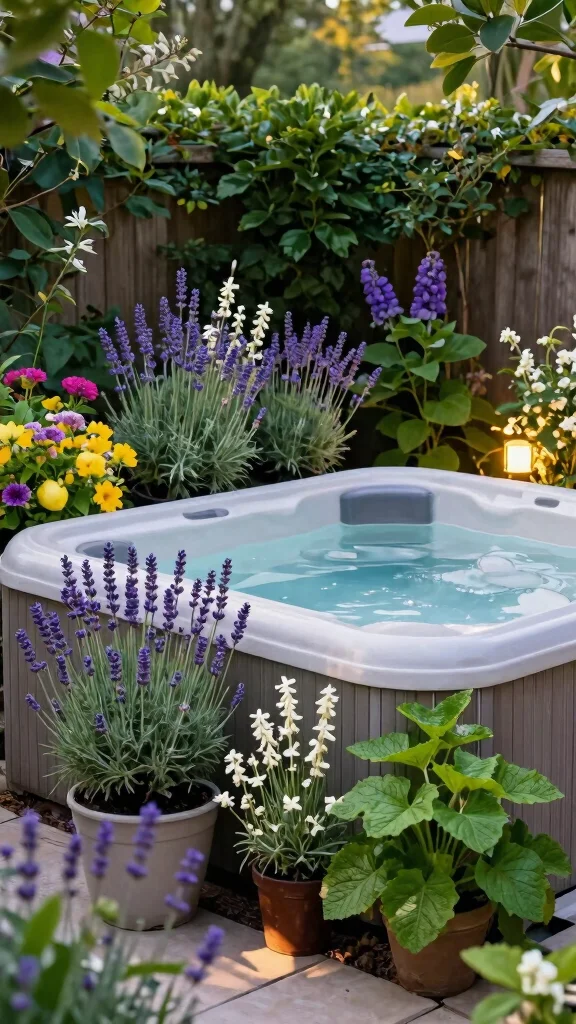
Enhance your hot tub experience with aromatic plants that elevate relaxation. Incorporating fragrant plants creates an oasis of delightful scents that can uplift your mood. The right combination of aromas can transform your outdoor space into a soothing retreat.
Consider planting lavender, jasmine, and lemon balm around your hot tub for their calming effects. Arranging these plants so they are easily accessible allows you to enjoy their scents while soaking. Mixing textures and heights adds visual appeal to your garden.
Top aromatic plants to explore:
– Lavender: Soothing aroma that reduces stress.
– Jasmine: Sweet scent known for relaxation.
– Lemon balm: Refreshing citrus fragrance that invigorates.
By including aromatic plants, you create a sensory experience that enhances your hot tub enjoyment and promotes tranquility.
❝ Turn your hot tub into a fragrant retreat as part of hot tub landscaping ideas with aromatic plants. Lavender, jasmine, and lemon balm bring calming scents that elevate your soak, turning any evening into a soothing oasis. Place these herbs where you can easily reach them for instant mood-lift. ❞
10. Sustainable Materials
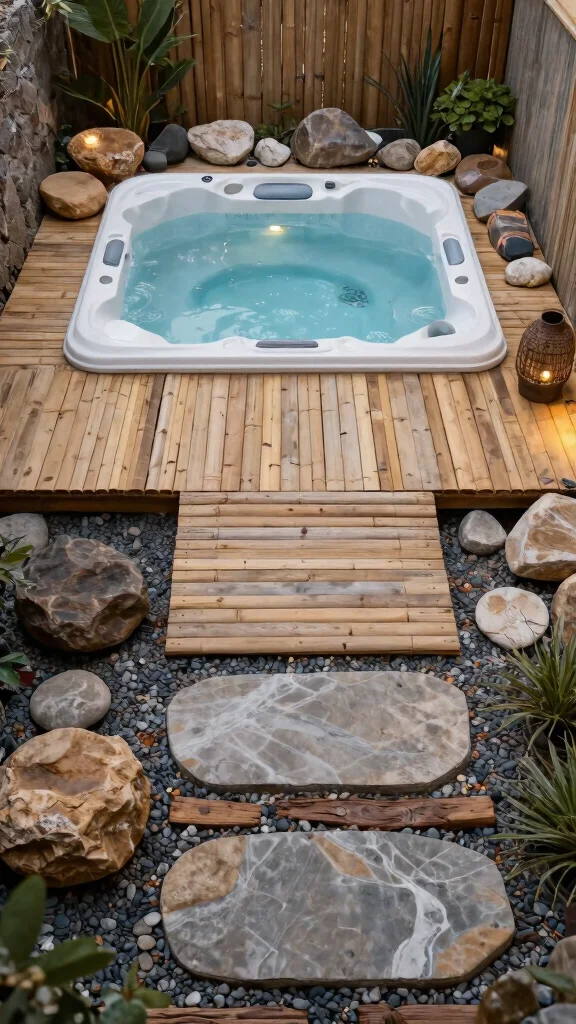
Incorporating sustainable materials in your hot tub landscape design not only looks great but also reflects your commitment to the environment. Choosing eco-friendly options can enhance the beauty of your space while promoting sustainability.
Consider using bamboo, recycled composite decking, or locally sourced natural stone for a beautiful and responsible design. These materials often require less maintenance, saving you time and effort. By making thoughtful choices, you can create a stunning landscape that supports eco-friendliness.
Material options to consider:
– Bamboo: Fast-growing, renewable resource for various designs.
– Recycled composite decking: Durable and low-maintenance for hot tub decks.
– Natural stone: Locally sourced to minimize transportation impact.
Using sustainable materials not only beautifies your landscape but also helps protect the environment for future generations.
11. Seasonal Color Changes
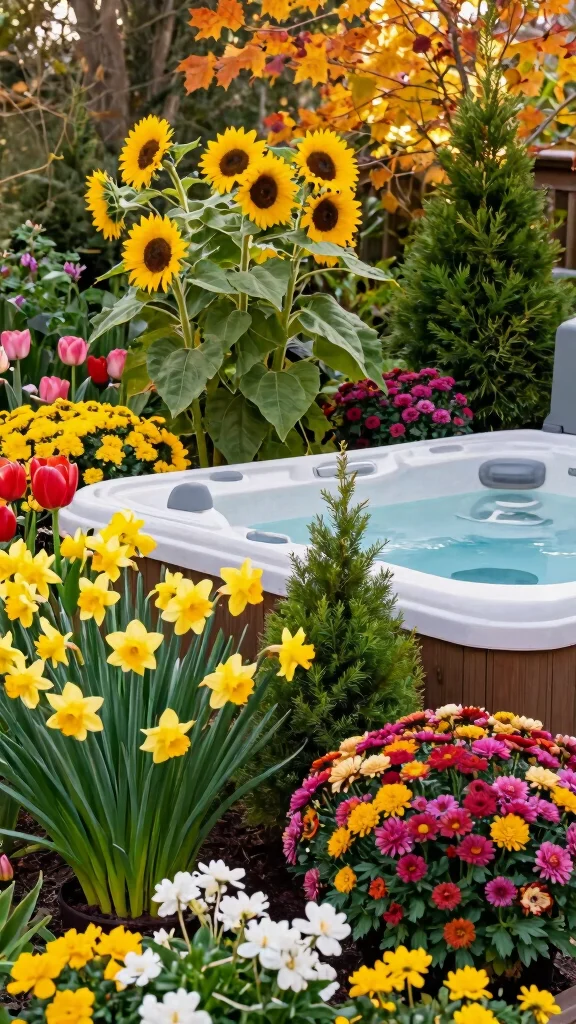
Incorporating a variety of plants that bloom in different seasons provides year-round beauty around your hot tub. This thoughtful approach ensures your landscape remains vibrant and inviting, no matter the time of year.
Consider planting early bloomers like daffodils and tulips for spring, sunflowers and daylilies for summer, and chrysanthemums for fall. Mixing heights in your garden adds depth, while evergreens maintain visual interest during winter months. Planning your layout ensures that plants complement rather than overshadow your hot tub.
Planting suggestions include:
– Spring: Daffodils and tulips for early color.
– Summer: Sunflowers and daylilies for bright displays.
– Fall: Chrysanthemums and ornamental grasses for texture.
This strategy keeps your hot tub area lively and engaging throughout the year, enhancing your outdoor enjoyment.
12. Eco-Friendly Mulching
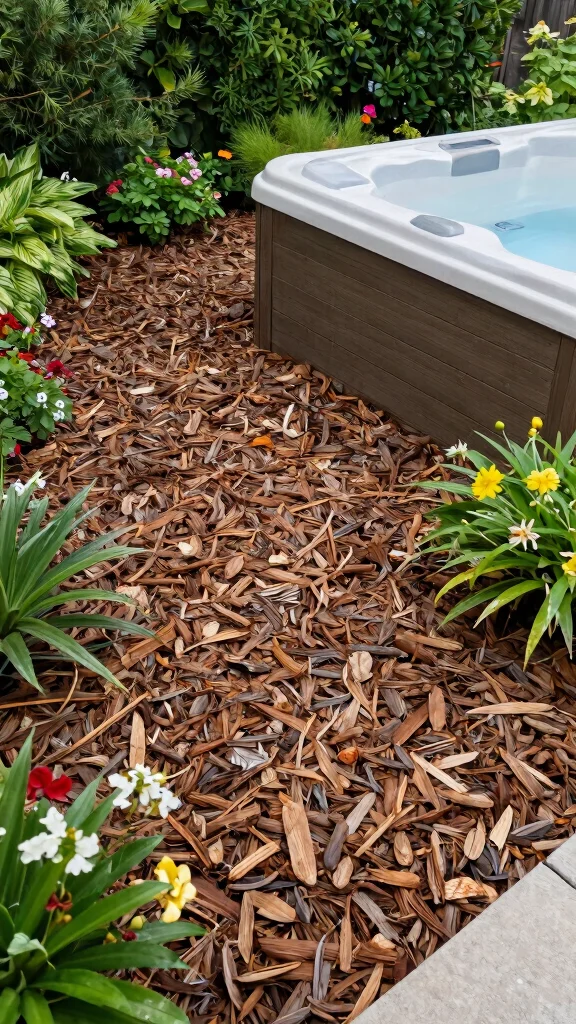
Utilizing organic mulch around your hot tub area is an effective method for retaining soil moisture while enhancing the overall appearance of your landscape. This simple practice contributes to a healthier garden and reduces the need for frequent watering.
Choosing natural materials like bark, straw, or shredded leaves creates a neat look while suppressing weeds. Applying a layer of 2-4 inches around your plants provides optimal benefits and supports healthy growth.
Benefits of using mulch include:
– Suppresses weeds, reducing the need for herbicides.
– Improves soil quality as it breaks down.
– Adds a polished, finished look to your garden beds.
By embracing eco-friendly mulching, you foster a thriving environment around your hot tub while enhancing the beauty of your outdoor space.
13. Custom Pathways
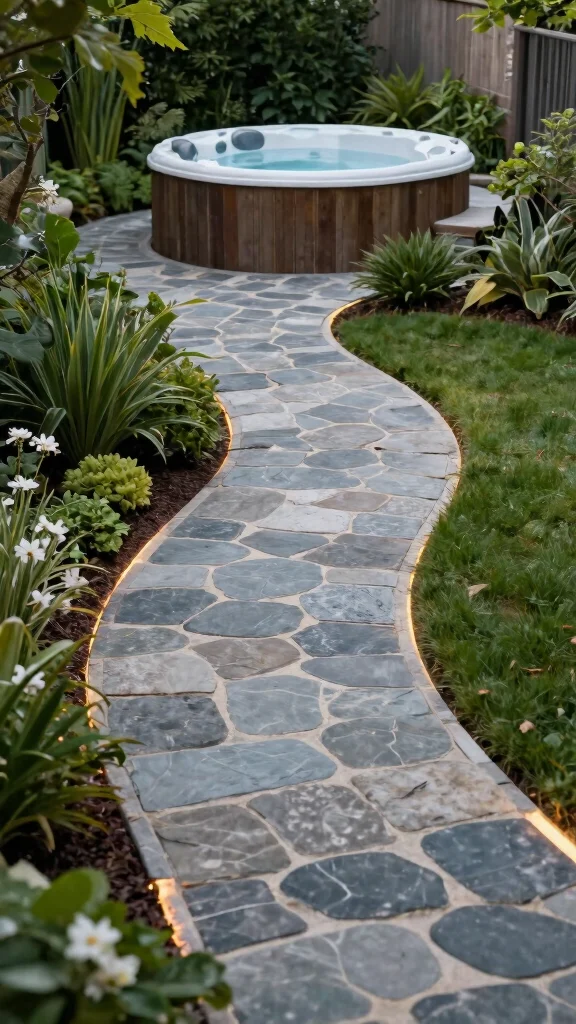
Creating custom pathways leading to your hot tub adds functionality and visual appeal to your backyard. Thoughtfully designed pathways guide guests safely while enhancing the overall design of your landscape.
Consider using flagstones for a natural look, gravel for a rustic feel, or pavers for a personalized touch. Curved pathways soften the hard lines and create an inviting atmosphere. Adding planting beds alongside pathways can boost beauty while using lights along the edges enhances safety and ambiance at night.
Materials to consider for pathways:
– Flagstones: Natural and easy to install.
– Gravel: Casual, rustic feel with excellent drainage.
– Pavers: Available in various styles for a custom look.
By designing custom pathways, you create a safe, beautiful route to your hot tub, making your outdoor experience even more enjoyable.
Conclusion
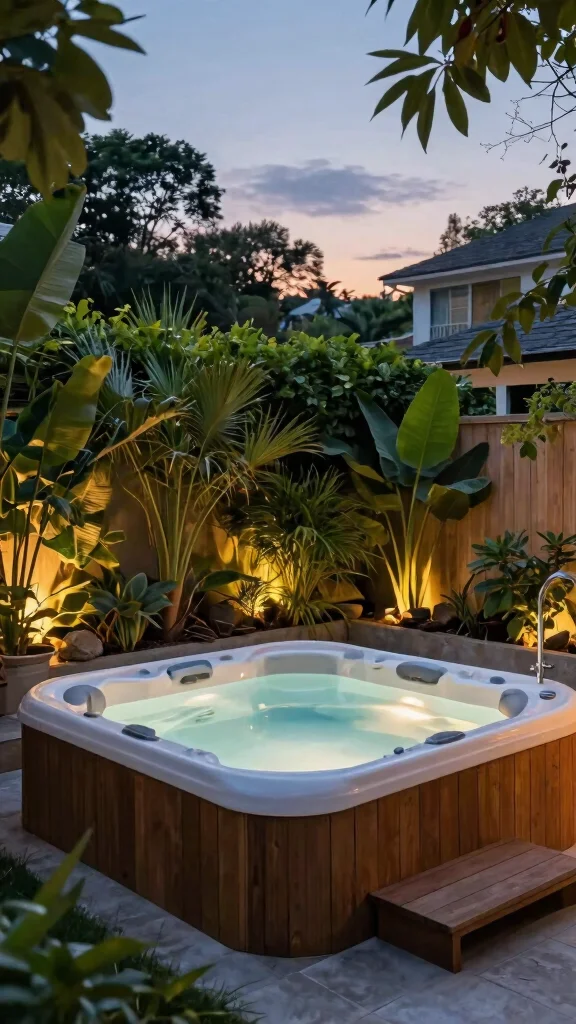
Crafting an eco-friendly hot tub landscape is about more than just aesthetics; it’s about creating a harmonious connection between your outdoor living space and the natural environment. From incorporating native plants to thoughtful lighting, every element plays a crucial role in enhancing your relaxation experience while promoting sustainability. Embrace these ideas to transform your backyard into a tranquil oasis where you can unwind and enjoy nature’s beauty.
Consider implementing a few of these ideas to create your dream outdoor retreat that is not only visually stunning but also eco-conscious.
Note: We aim to provide accurate product links, but some may occasionally expire or become unavailable. If this happens, please search directly on Amazon for the product or a suitable alternative.
This post contains Amazon affiliate links, meaning we may earn a small commission if you purchase through our links, at no extra cost to you.
Frequently Asked Questions
What are the best eco-friendly hot tub landscaping ideas for a backyard design?
Eco-friendly hot tub landscaping ideas start with native plantings, permeable surfaces, and solar lighting. For plant selection, choose a layered mix of evergreen shrubs, grasses, and flowering perennials that require little water and offer year-round privacy. Use permeable pavers, gravel, or decomposed granite for paths and decks to reduce runoff and keep the space tidy. Add landscape lighting with solar-powered or low-voltage options to extend outdoor living into the evening. A small, recirculating water features like a fountain or dry creek bed can add sound and motion while conserving water. Finish with non-slip decking or stepping stones and a natural mulch to reduce weeds and improve soil health. All components should be positioned to maintain easy access to the hot tub and keep surfaces safe when wet.
How should I approach plant selection around a hot tub to keep it beautiful and safe?
Start with plant selection that fits your climate, soil, and the level of maintenance you’re comfortable with. Choose native, drought-tolerant varieties with non-invasive roots and minimal thorns that won’t irritate bare skin. Place taller plants at the far side of the tub to create privacy without blocking views, and keep a clear 3–6 ft buffer around the spa for maintenance and safety. Use ground covers and mulch to reduce mud and keep surfaces dry. Group plants with similar water needs to simplify irrigation and conserve water.
What are practical landscape lighting ideas that enhance outdoor living around a hot tub while staying eco-friendly?
Create inviting zones for outdoor living around the tub with a thoughtful lighting plan. Use a mix of solar string lights, low-voltage path lights, and warm-white bulbs (2700–3000K) to create a cozy glow without harsh glare. Place lights to highlight the tub edges, seating areas, and key plants, and use timers or motion sensors to save energy. Angle fixtures downward to minimize light pollution and protect night skies. If you have a water feature, choose a quiet, energy-efficient pump so the space stays relaxing and green.
Which water features pair well with a hot tub without wasting water?
Opt for water features that recirculate and reuse water. A small fountain, a pebble bed fountain, or a rain chain that drains back into the garden are excellent water features that add sound and motion with minimal waste. Connect the feature to a dedicated pump with a timer to run only as needed, and consider pairing it with rainwater harvesting to further reduce waste. Position the feature away from direct spray zones to protect deck surfaces and hot tub electronics. Keep the design compact to minimize maintenance and conserve resources.
What steps should I take to plan a cohesive backyard design around a hot tub that’s private, accessible, and low-maintenance?
Begin with a clear goal for your backyard design around the hot tub: privacy, accessibility, and low maintenance. Create a simple site plan showing tub location, paths, seating, and planting zones, using a scalable layout to keep everything cohesive. Choose durable, weather-resistant materials and a harmonious color palette that complements the hot tub and surroundings. Group plants by water needs and growth rate, and set up a maintenance calendar to keep things tidy with minimal effort. Finally, ensure wide, barrier-free paths and easy entry points to make the space safe and welcoming for everyone.
Related Topics
hot tub landscaping
backyard design
eco-friendly gardening
plant selection
landscape lighting
water features
outdoor living
sustainable design
easy landscaping
minimalist outdoor
seasonal plants
DIY hot tub decor